Useful links
Home Preventive Care for Pets Pet Training Pet Bathing and Grooming Core Vaccines for Pets
Home Preventive Care for Pets Pet Training Pet Bathing and Grooming Core Vaccines for Pets
Category : petvetexpert | Sub Category : petvetexpert Posted on 2023-10-30 21:24:53
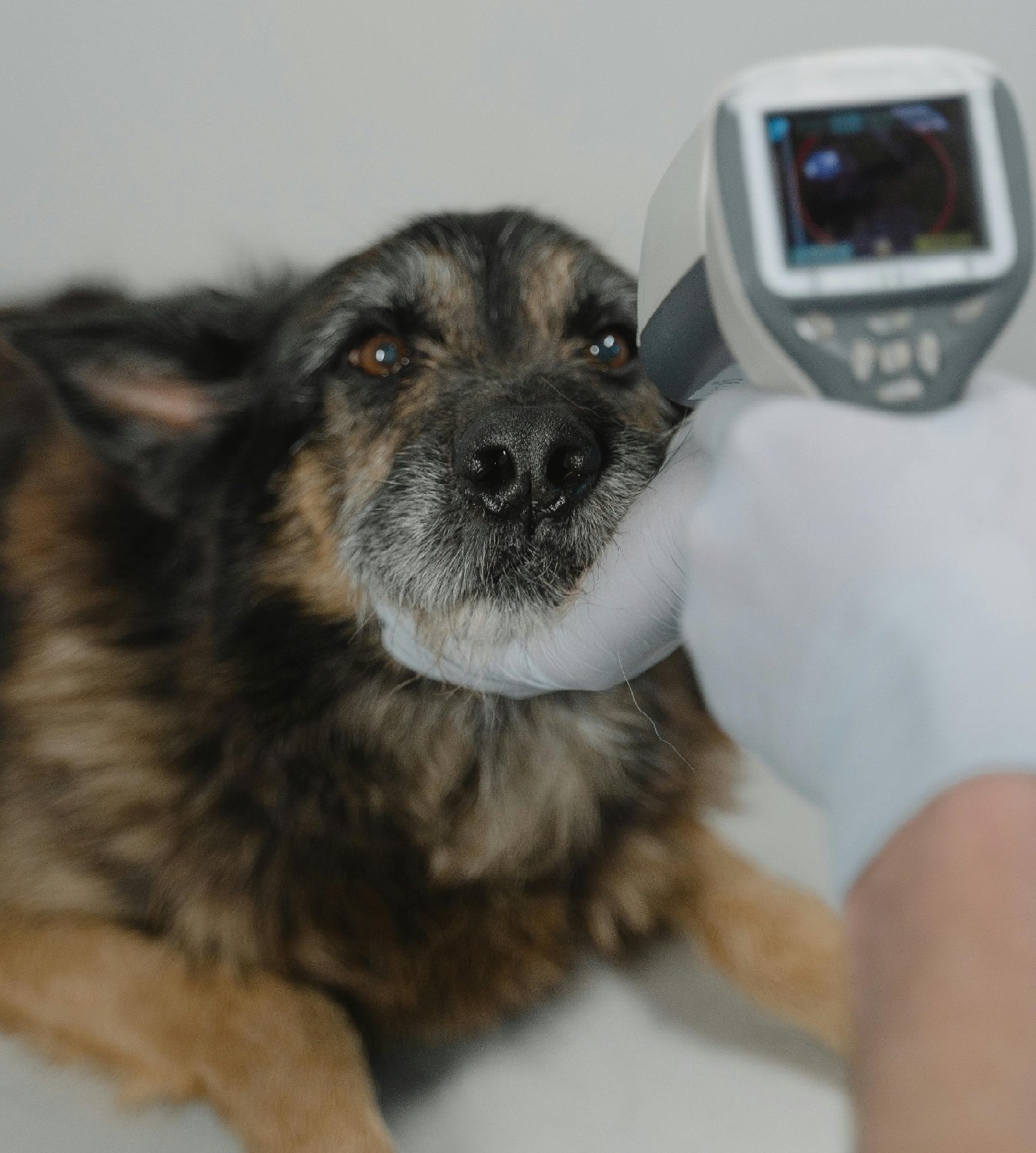
Introduction: In recent years, the agricultural industry has seen tremendous advancements with the emergence of smart farming technologies. These cutting-edge tools allow farmers to digitize and optimize their operations, leading to increased productivity and sustainability. One particular field that is revolutionizing the way we approach agriculture is the integration of veterinary medicine into smart farming practices. In this blog post, we will explore the concept of veterinary smart farming and its potential impact on the industry. 1. What is veterinary smart farming? Veterinary smart farming refers to the use of data-driven technologies and advanced analytics to improve animal health and wellbeing on farms. By combining traditional veterinary medicine with sensors, IoT devices, AI, and data analytics, farmers can monitor, diagnose, and treat their livestock more efficiently, ensuring better overall farm management. 2. Benefits of veterinary smart farming: a. Early disease detection: Smart farming technologies, such as wearable sensors and remote monitoring devices, allow farmers to detect signs of illness in their animals at an early stage. This early detection enables prompt intervention, reducing the risk of the disease spreading and minimizing animal losses. b. Individualized healthcare: With the help of data analytics, farmers can gain valuable insights into each animal's behavior, health, and nutrition. This knowledge allows them to tailor healthcare plans and nutritional regimens to individual animals, ensuring optimal health and production. c. Predictive analytics: By analyzing large volumes of data, smart farming technologies can predict potential health issues or disease outbreaks, allowing farmers to take preventive measures in a timely manner. 3. Examples of veterinary smart farming in practice: a. Automated milking systems: These systems use sensors to monitor the milking process, keeping track of milk quality and animal health indicators, such as udder temperature and milk flow rate. In case of abnormalities, alerts are sent to the farmer, ensuring timely intervention. b. Wearable sensors: Animals equipped with wearable sensors can provide real-time data on their vital signs, activity levels, and behavior. This information allows farmers to identify any deviations from the normal patterns, indicating illness or distress. c. Precision livestock farming: Integrating data from various sources, such as weather conditions, feed quality, and animal behavior, helps farmers make informed decisions about animal management, including feeding schedules, breeding programs, and disease prevention strategies. 4. Challenges and considerations: While veterinary smart farming holds immense potential, there are a few challenges to be addressed: a. Data privacy and security: Collecting and managing large volumes of sensitive animal data raises concerns about privacy and security. Farmers and technology providers need to implement robust data protection measures to ensure farmers' and animals' information is secure. b. Cost and accessibility: Some smart farming technologies can be expensive for small-scale farmers to implement, hindering widespread adoption. Governments and industry stakeholders need to work towards making these technologies more accessible and affordable. c. Training and education: Farmers need adequate training and education to maximize the benefits of veterinary smart farming. Bridging the knowledge gap and providing ongoing support is crucial for successful implementation. Conclusion: Veterinary smart farming presents a promising outlook for the agriculture industry by marrying veterinary medicine with advanced technologies. Through real-time monitoring, predictive analytics, and personalized healthcare, this emerging field can significantly enhance animal welfare, farm productivity, and environmental sustainability. As the agricultural sector embraces smart farming, integrating veterinary expertise will be crucial for the industry's transformation and a more efficient, humane, and responsible approach to farming. Dropy by for a visit at the following website http://www.qqhbo.com this link is for more information http://www.xfarming.com


