Useful links
Home Preventive Care for Pets Pet Training Pet Bathing and Grooming Core Vaccines for Pets
Home Preventive Care for Pets Pet Training Pet Bathing and Grooming Core Vaccines for Pets
Category : petvetexpert | Sub Category : petvetexpert Posted on 2023-10-30 21:24:53
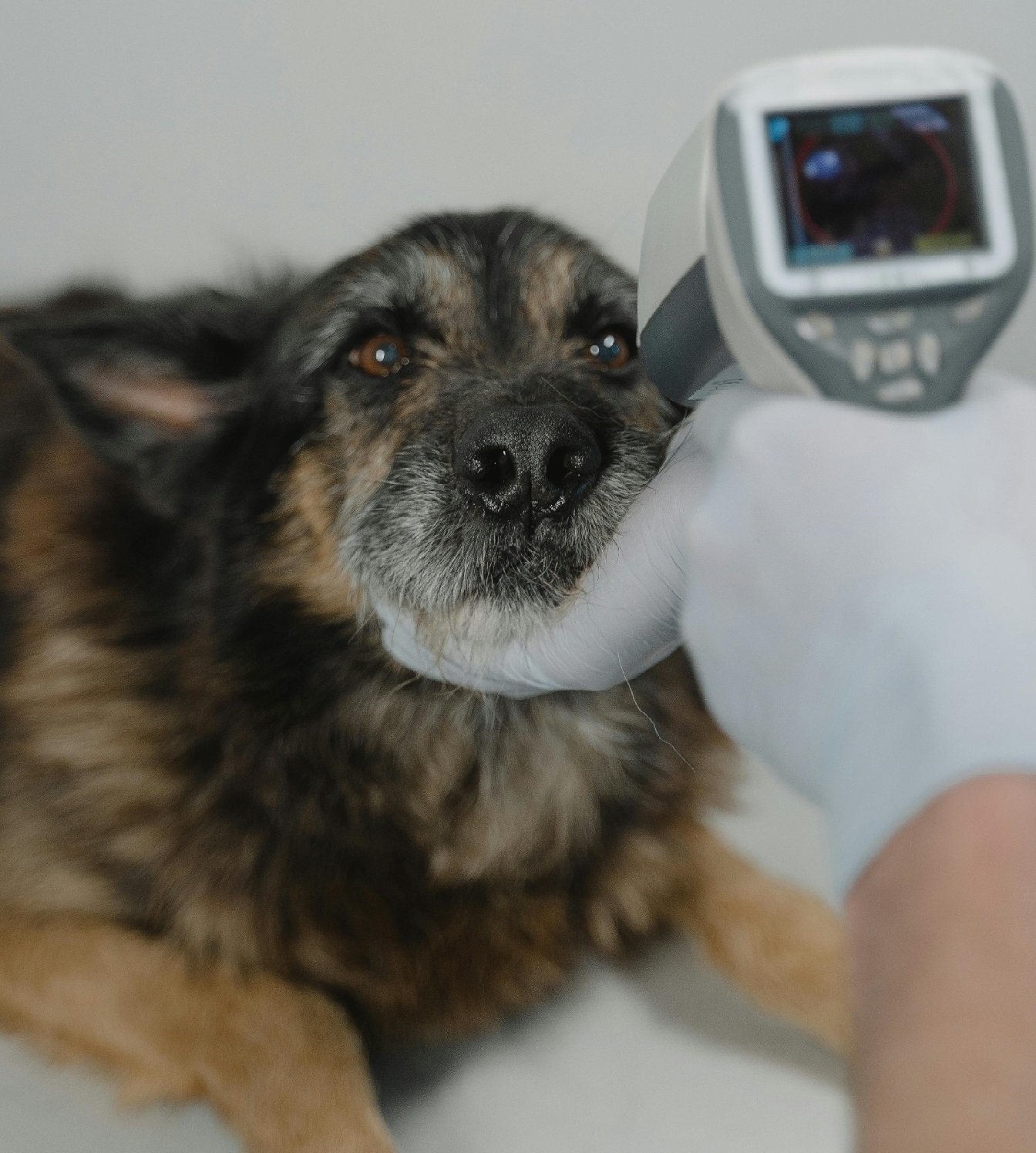
Introduction: In recent years, technology has crept into almost every aspect of our lives, and the field of agriculture is no exception. Precision farming, often associated with crop production, has found its way into the realm of animal healthcare, giving rise to veterinary precision farming. This cutting-edge approach leverages advanced technology to enhance animal health, improve productivity, and ultimately revolutionize the way veterinarians care for our furry, feathered, and scaled friends. In this blog post, we will explore the concept of veterinary precision farming and its various applications in the field of animal healthcare. What is Veterinary Precision Farming? Veterinary precision farming involves the integration of technology and data-driven practices to optimize animal health and well-being in a farm setting. It encompasses a wide range of innovative tools and techniques, including automated monitoring systems, wearable devices, remote sensing technologies, artificial intelligence, and data analytics. These advancements enable veterinarians to monitor and manage animal health with greater precision, efficiency, and proactive care. Applications of Veterinary Precision Farming: 1. Disease Detection and Prevention: The early detection of diseases is crucial for effective treatment and prevention. Veterinary precision farming allows for real-time monitoring of animals' vital signs, behavior patterns, and environmental conditions. By analyzing the accumulated data, veterinarians can detect early signs of illnesses, implement preventive measures, and even predict disease outbreaks. This proactive approach helps minimize the spread of diseases, reduce the need for antibiotics, and ensure healthier herds. 2. Automatic Feeding and Nutrition: Optimal nutrition plays a crucial role in animal health and productivity. Precision feeding systems can be employed to provide individualized nutrition, taking into account factors such as age, weight, and health conditions. Automated feeding equipment can precisely dispense personalized rations, adjusting the feed composition to meet specific nutritional requirements. This ensures that each animal receives the right amount of nutrients, leading to improved growth, fertility, and overall well-being. 3. Environmental Monitoring: Animals are highly sensitive to environmental conditions. Veterinary precision farming utilizes remote sensing technologies to monitor the air quality, temperature, humidity, and ventilation in livestock buildings. By maintaining optimal environmental conditions, veterinarians can minimize stress, prevent respiratory issues, and reduce the risk of infectious diseases. Furthermore, real-time monitoring enables swift interventions in case of any adverse changes in the environment. 4. Reproductive Health Management: Reproduction is vital for the sustainability of any farming operation. Precision farming allows for accurate and efficient monitoring of reproductive parameters in animals. Veterinarians can use wearable devices to track estrus cycles, detect optimal breeding times, and implement artificial insemination techniques accordingly. This approach improves breeding success rates, reduces the time between pregnancies, and enhances herd genetics. Benefits of Veterinary Precision Farming: 1. Enhanced Animal Welfare: By optimizing animal health and reducing disease risks, veterinary precision farming improves overall animal welfare. It enables early intervention, personalized care, and an environment that promotes natural behaviors, leading to happier and healthier animals. 2. Increased Productivity and Efficiency: Precision farming techniques streamline daily operations, minimize human error, and maximize productivity. By employing technology to automate various processes, farmers can focus their time and effort on critical tasks, resulting in increased efficiency and profitability. 3. Sustainable Practices: Precision farming practices facilitate better resource management. By closely monitoring and controlling inputs like feed, water, and medications, veterinarians can minimize waste, conserve resources, and contribute to a more sustainable and eco-friendly farming system. Conclusion: Veterinary precision farming represents a groundbreaking approach to animal healthcare, leveraging technology to revolutionize the way veterinarians care for livestock. By harnessing the power of data analytics, automation, and remote sensing technologies, veterinary precision farming empowers veterinarians to provide proactive, personalized, and preventative care. This not only ensures optimal animal health and welfare but also supports sustainable farming practices and increases productivity. As technology continues to advance, we can expect veterinary precision farming to play an increasingly significant role in shaping the future of animal agriculture. To get more information check: http://www.qqhbo.com If you are interested you can check the following website http://www.xfarming.com


