Useful links
Home Preventive Care for Pets Pet Training Pet Bathing and Grooming Core Vaccines for Pets
Home Preventive Care for Pets Pet Training Pet Bathing and Grooming Core Vaccines for Pets
Category : petvetexpert | Sub Category : petvetexpert Posted on 2023-10-30 21:24:53
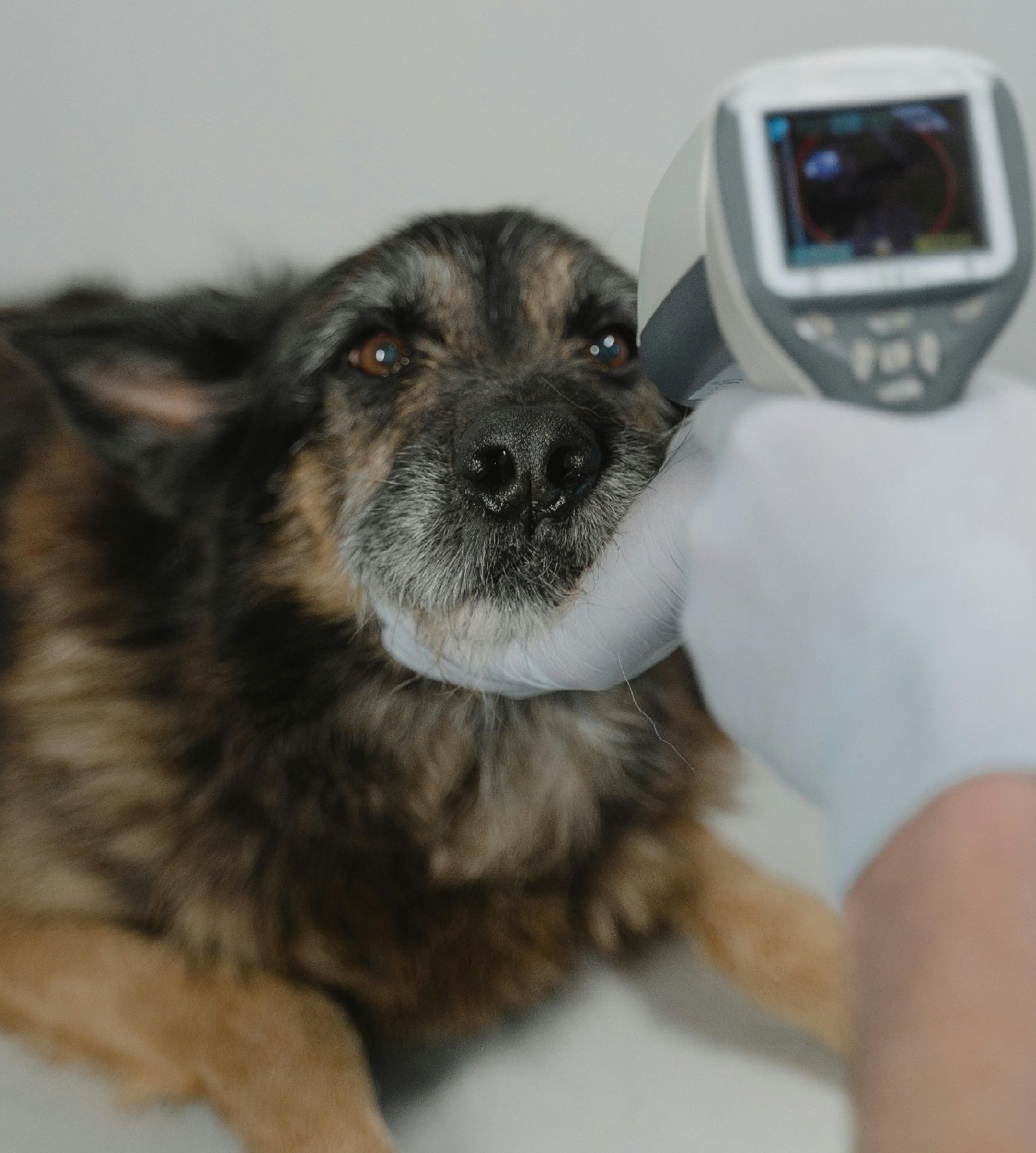
Introduction: Pets are cherished members of our families, bringing joy, companionship, and unconditional love into our lives. Just like humans, animals can experience physical injuries, orthopedic conditions, or age-related mobility issues that can impact their quality of life. Veterinary physical therapy is a specialized field that focuses on rehabilitating and improving the overall well-being of pets. In this blog post, we will explore the benefits and techniques of veterinary physical therapy for pets. What is Veterinary Physical Therapy: Veterinary physical therapy encompasses a range of techniques and treatments designed to help pets regain mobility, strength, and function. It is often used in conjunction with traditional veterinary medicine and can benefit animals recovering from surgery, trauma, or suffering from chronic conditions such as arthritis or hip dysplasia. The aim of veterinary physical therapy is to reduce pain, promote healing, and improve the overall quality of life for our furry friends. Benefits of Veterinary Physical Therapy: 1. Pain Management: Physical therapy modalities such as therapeutic exercises, heat/cold therapy, and massage can alleviate pain in pets, allowing them to move more comfortably and engage in daily activities without discomfort. 2. Enhanced Mobility and Range of Motion: Pets suffering from orthopedic conditions or postoperative recovery can benefit from targeted exercises that increase their range of motion and improve joint flexibility, helping them regain mobility. 3. Muscle Strengthening: Veterinary physical therapy focuses on strengthening specific muscle groups to compensate for muscle imbalances and weaknesses. This improves overall stability and helps pets regain strength and functional abilities. 4. Increased Independence and Confidence: Through consistent physical therapy sessions, pets can regain their independence by relearning or adapting to daily activities such as walking, climbing stairs, or getting in and out of cars. 5. Optimal Post-Surgical Recovery: Veterinary physical therapy plays a crucial role in post-surgical rehabilitation by promoting faster healing, reducing scar tissue, and preventing complications. Common Techniques Used in Veterinary Physical Therapy: 1. Therapeutic Exercises: These exercises, tailored to a pet's specific needs, help improve muscle strength, coordination, and balance. They may include activities such as walking on treadmills, balancing exercises, or swimming in specialized hydrotherapy pools. 2. Manual Therapy: Techniques such as massage therapy, stretching, and joint mobilizations are used to reduce pain, increase circulation, and improve range of motion. 3. Heat and Cold Therapy: The application of heat or cold to specific areas helps alleviate pain, reduce inflammation, and promote healing. 4. Hydrotherapy: Water-based exercises, such as swimming in specialized pools, provide a low-impact workout for pets, enhancing cardiovascular fitness, joint mobility, and overall strength. 5. Assistive Devices: In some cases, assistive devices like braces, splints, or carts may be used to support and aid in a pet's mobility and overall function. When to Consider Veterinary Physical Therapy: If your pet is experiencing any of the following conditions, veterinary physical therapy might be beneficial: - Postoperative recovery from orthopedic surgeries - Arthritis or degenerative joint conditions - Hip dysplasia - Spinal injuries or degenerative disc disease - Muscle strains or sprains - Neurological conditions affecting mobility Conclusion: Veterinary physical therapy is a valuable tool in enhancing the well-being and recovery of our beloved pets. Whether it's postoperative rehabilitation or improving mobility in aging pets, these specialized techniques can significantly improve their quality of life. Remember to consult with a qualified veterinary physical therapist to assess your pet's needs and develop a tailored treatment plan. By investing in their rehabilitation, we can help our furry friends live a happier, healthier, and more active life. Curious to learn more? Click on http://www.qqhbo.com


