Useful links
Home Preventive Care for Pets Pet Training Pet Bathing and Grooming Core Vaccines for Pets
Home Preventive Care for Pets Pet Training Pet Bathing and Grooming Core Vaccines for Pets
Category : petvetexpert | Sub Category : petvetexpert Posted on 2024-09-09 20:24:53
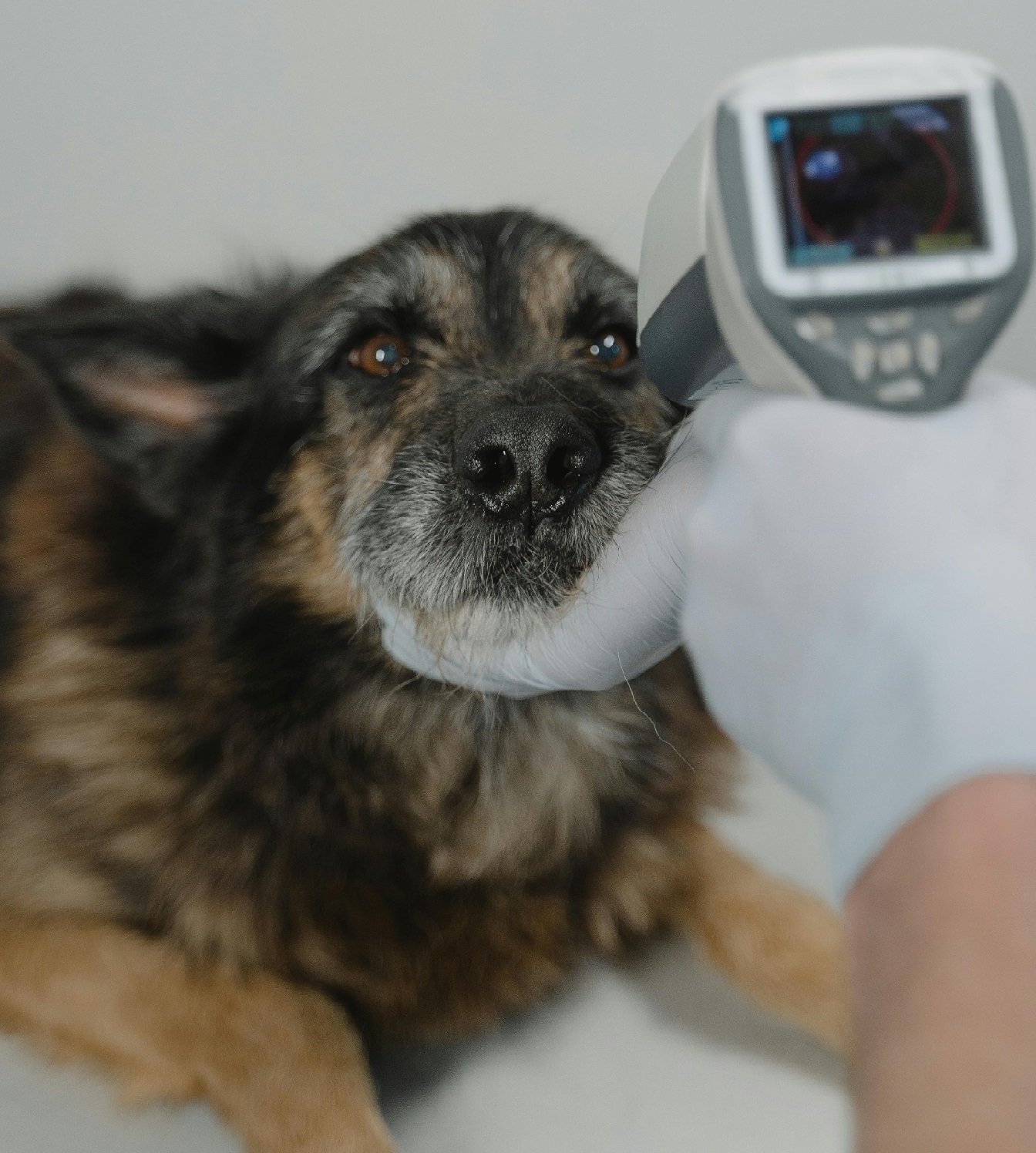
As a veterinary assistant, you play a crucial role in helping pets maintain their overall health and well-being. One common issue that you may encounter in your practice is overweight pets in need of weight loss diets. Supporting pet owners in implementing appropriate diet and lifestyle changes for their furry friends can have a significant impact on the pets' quality of life. Here are some tips and tricks to assist you in guiding pet owners through the process of helping their pets achieve a healthy weight: 1. Understand the Importance of Weight Management: Start by explaining to pet owners the importance of weight management for their pets' overall health. Being overweight can lead to various health problems such as diabetes, joint issues, and heart conditions. Educate pet owners about the risks associated with excess weight and emphasize the benefits of maintaining a healthy weight for their pets. 2. Collaborate with the Veterinarian: Work closely with the veterinarians in your practice to develop personalized weight loss plans for overweight pets. The veterinarian can assess the pet's current health status, determine an ideal target weight, and recommend a suitable diet and exercise regimen. As a veterinary assistant, you can support pet owners in implementing the veterinarian's recommendations. 3. Provide Nutritional Guidance: Offer guidance on selecting appropriate foods for weight loss diets. Recommend high-quality, low-calorie pet foods that are rich in protein and fiber to help pets feel full and satisfied. Encourage pet owners to measure their pet's food portions accurately to avoid overfeeding and to limit treats and table scraps. 4. Monitor Progress and Adjust as Needed: Track the pet's progress regularly and communicate with pet owners about any changes observed. Encourage pet owners to weigh their pets periodically and provide feedback on their progress. If weight loss plateaus or stalls, collaborate with the veterinarian to adjust the weight loss plan accordingly. 5. Encourage Regular Exercise: Emphasize the importance of regular exercise in conjunction with a weight loss diet. Recommend appropriate physical activities based on the pet's age, breed, and health condition. Encourage pet owners to engage in interactive play sessions, walks, or other forms of exercise to help their pets burn calories and stay active. 6. Offer Emotional Support: Recognize that weight loss can be a challenging journey for both pets and their owners. Offer emotional support and positive reinforcement to encourage pet owners to stay committed to their pets' weight loss goals. Celebrate small victories along the way and provide encouragement during setbacks. In conclusion, as a veterinary assistant, you have the opportunity to make a meaningful difference in the lives of pets by supporting weight loss efforts through diet and lifestyle changes. By providing guidance, encouragement, and ongoing support to pet owners, you can help their pets achieve and maintain a healthy weight for a happier and healthier life.


