Useful links
Home Preventive Care for Pets Pet Training Pet Bathing and Grooming Core Vaccines for Pets
Home Preventive Care for Pets Pet Training Pet Bathing and Grooming Core Vaccines for Pets
Category : petvetexpert | Sub Category : petvetexpert Posted on 2024-09-09 20:24:53
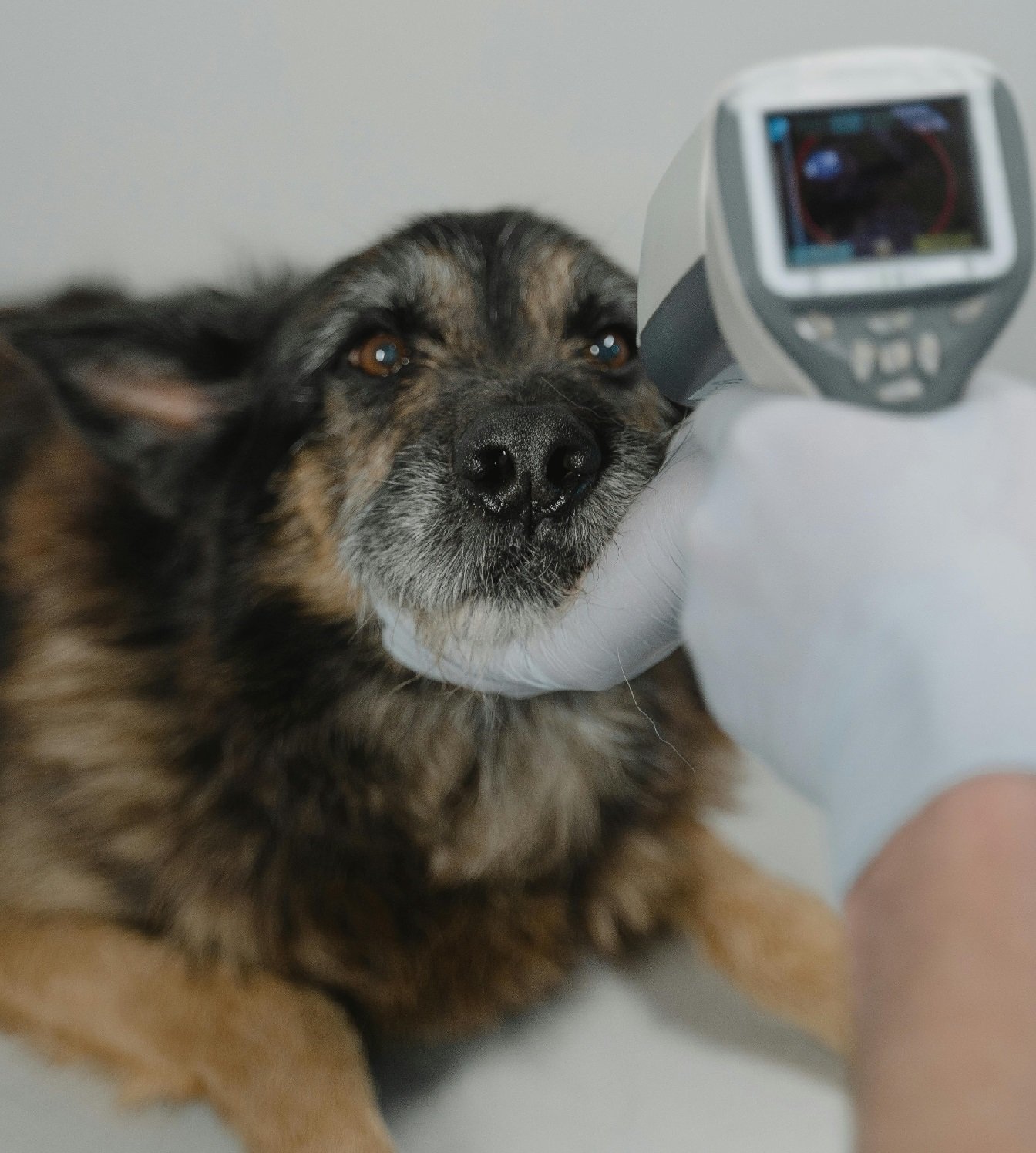
As a Veterinary assistant, you play a crucial role in supporting the health and well-being of your furry patients. One common issue that often brings pets to the clinic is stomach and digestion problems. Here are some tips and tricks to help you assist the veterinary team in addressing these issues effectively: #### 1. **Listen to the Pet Owners** When pet owners bring their furry friends to the clinic with stomach or digestion issues, it's essential to listen carefully to their concerns and observations. They may provide valuable information about the pet's symptoms, dietary habits, recent changes, or potential triggers for the issue. #### 2. **Observe Closely** During consultations or examinations, pay close attention to the pet's behavior, body language, and any visible symptoms related to stomach and digestion problems. These observations can help the veterinarian make an accurate diagnosis and recommend appropriate treatment. #### 3. **Assist with Diagnostics** Veterinary assistants often play a role in assisting with diagnostic procedures such as blood tests, fecal examinations, or imaging studies like X-rays or ultrasounds. Your attention to detail and thoroughness can contribute to obtaining accurate test results to aid in diagnosing stomach and digestion issues. #### 4. **Educate Pet Owners** Provide pet owners with helpful information about proper nutrition, feeding practices, digestive health, and signs of potential stomach problems in pets. Your guidance can empower them to make informed choices for their pet's diet and overall well-being. #### 5. **Follow Treatment Plans** Once a diagnosis is made, veterinary assistants can assist in implementing treatment plans recommended by the veterinarian. This may involve administering medications, monitoring the pet's response to treatment, and providing follow-up care instructions to pet owners. #### 6. **Promote Preventive Care** Encourage pet owners to maintain regular veterinary check-ups and preventive care measures to support their pet's digestive health. Offer advice on parasite control, vaccinations, and dietary adjustments that can prevent stomach issues in the future. #### 7. **Stay Informed** As a veterinary assistant, it's important to stay up-to-date on current trends, research, and best practices related to stomach and digestion health in pets. Continuous learning and professional development can enhance your skills and knowledge to better assist the veterinary team and improve patient care. By following these tips and tricks, veterinary assistants can play a vital role in identifying, managing, and preventing stomach and digestion issues in pets. Your dedication and proactive approach can make a significant difference in helping pets lead healthy and happy lives.


