Useful links
Home Preventive Care for Pets Pet Training Pet Bathing and Grooming Core Vaccines for Pets
Home Preventive Care for Pets Pet Training Pet Bathing and Grooming Core Vaccines for Pets
Category : petvetexpert | Sub Category : petvetexpert Posted on 2024-09-09 20:24:53
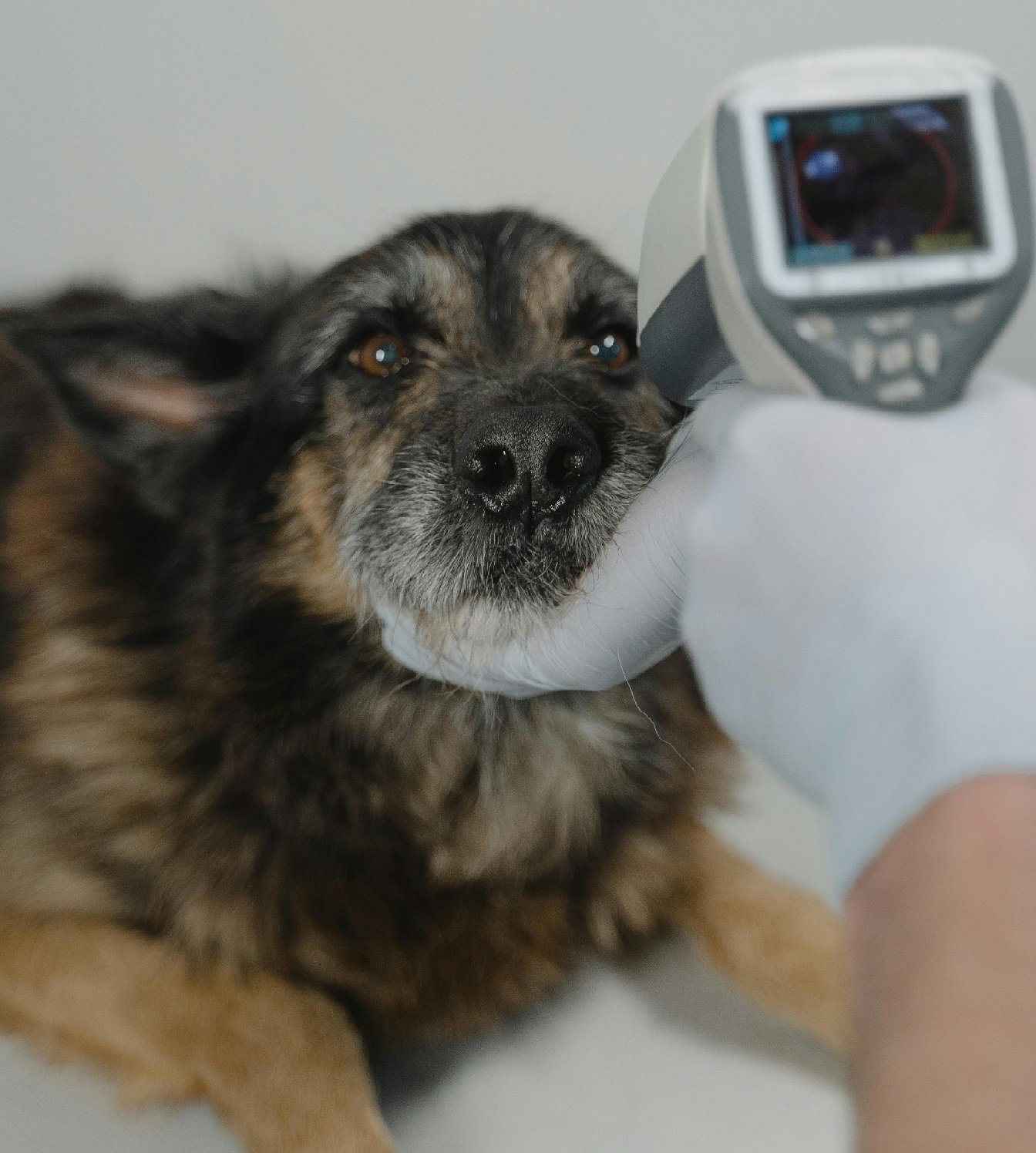
As a veterinary assistant, one of your essential responsibilities is to manage inventory effectively. From medications and supplies to equipment and tools, keeping track of items is crucial for ensuring the smooth operation of a veterinary clinic. Here are some tips and tricks to help you streamline the inventory management process: 1. Conduct Regular Audits: Schedule regular inventory audits to take stock of all items in the clinic. This will help you identify any discrepancies, avoid stockouts, and prevent overstocking. Keep track of expiration dates and discard any expired items promptly. 2. Utilize Inventory Management Software: Invest in inventory management software to automate the tracking and organization of inventory. These tools can help you monitor stock levels, set reorder points, and generate reports to aid in decision-making. 3. Categorize and Label Items: Organize inventory by categorizing items into groups such as medications, surgical supplies, and consumables. Labeling shelves and storage areas can help you easily locate items when needed. 4. Implement a First-In-First-Out (FIFO) System: Follow the FIFO principle to ensure that older inventory items are used before newer ones. This practice helps prevent wastage due to expired products and ensures that stock remains fresh. 5. Set Par Levels: Establish par levels for essential items based on usage patterns and demand. Maintain a balance between maintaining adequate stock levels and avoiding excess inventory that could tie up capital. 6. Collaborate with Vendors: Develop strong relationships with suppliers and vendors to negotiate favorable terms, track deliveries, and address any issues promptly. Consider setting up automated orders for regularly used items. 7. Train Staff on Inventory Procedures: Educate other team members on proper inventory management procedures to ensure consistency and accuracy in tracking inventory. Encourage communication and accountability among staff members. 8. Monitor Trends and Adjust Inventory Levels: Keep an eye on trends in patient visits and procedures to anticipate changes in demand for certain products. Adjust inventory levels accordingly to meet the clinic's needs. 9. Dispose of Hazardous Waste Properly: Ensure that expired medications and other hazardous waste items are disposed of following proper protocols and regulations. Implement environmentally-friendly practices for waste disposal whenever possible. 10. Seek Feedback and Continuously Improve: Encourage feedback from staff members on ways to improve inventory management processes. Stay open to new ideas and technologies that can enhance efficiency and reduce errors. By implementing these tips and tricks for efficient inventory management, veterinary assistants can ensure that their clinics operate smoothly, with well-maintained stock levels and organized storage. Effective inventory management not only saves time and resources but also contributes to the overall success of the veterinary practice. sources: https://www.vetbd.com


