Useful links
Home Preventive Care for Pets Pet Training Pet Bathing and Grooming Core Vaccines for Pets
Home Preventive Care for Pets Pet Training Pet Bathing and Grooming Core Vaccines for Pets
Category : petvetexpert | Sub Category : petvetexpert Posted on 2023-10-30 21:24:53
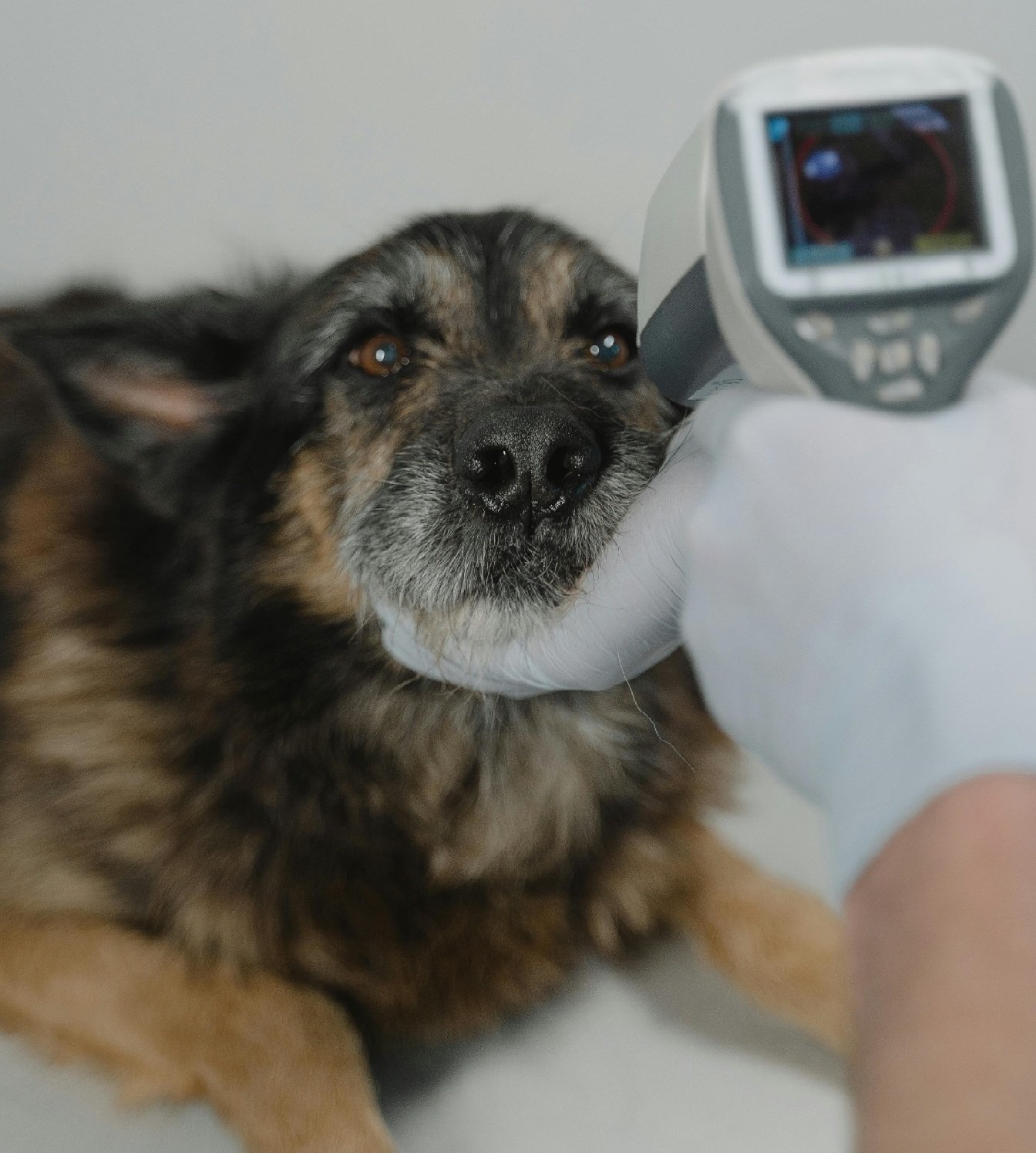
Introduction: As our pets age, their health needs may change, and it becomes important for us, as pet owners, to adjust their care accordingly. Just like humans, senior pets require special attention to ensure their health and well-being. In this blog post, we will delve into senior pet health care and discuss essential tips to help you ensure that your furry companions live a long, happy, and healthy life as they enter their golden years. 1. Regular Veterinary Check-ups: As your pet ages, regular visits to the veterinarian become even more crucial. Routine check-ups can help catch any health issues early before they become more severe. Senior pets often require more frequent visits, ideally every six months, to monitor any changes in their health. Your vet can perform various tests to assess your pet's overall health, including blood work, dental exams, and joint and mobility evaluations. 2. Tailor Their Diet: Proper nutrition plays a vital role in supporting your senior pet's health. As their metabolism changes, it's important to adjust their diet accordingly. Consult with your veterinarian to determine the best diet for your senior pet. You may need to switch to a specialized senior formula that caters to their specific needs, such as joint health, weight control, or urinary tract support. Additionally, stay mindful of portion sizes to prevent obesity, which can exacerbate age-related health conditions. 3. Exercise and Mental Stimulation: While senior pets may have reduced energy levels, regular exercise is still crucial for maintaining their overall health and managing weight. Modify their exercise routine to low-impact activities such as gentle walks, swimming, or interactive play sessions. Mental stimulation is equally important, so engage them in puzzles, treat-dispensing toys, or training sessions to keep their minds sharp. 4. Dental Care: Dental hygiene is often overlooked but becomes increasingly important for senior pets. Dental disease can lead to pain, infections, and other health problems. Make sure to provide regular dental care, including brushing their teeth and offering dental chews or toys to promote good oral health. If necessary, schedule professional dental cleanings with your veterinarian to keep their teeth and gums in excellent condition. 5. Monitor Changes in Behavior and Health: Keeping a close eye on your senior pet's behavior can help you detect any potential health concerns. Be vigilant for changes in appetite, weight, mobility, energy levels, or any unusual behaviors. Senior pets can be prone to conditions such as arthritis, diabetes, kidney disease, or cognitive decline. If you observe any concerning changes, consult your veterinarian promptly for appropriate diagnosis and treatment. Conclusion: Caring for your senior pet requires a bit of extra attention and tailored care compared to their younger years. Regular veterinary check-ups, a well-balanced diet, exercise, dental care, and monitoring their health are essential to ensure they enjoy a comfortable and happy life in their golden years. Remember, you have been their lifelong companion, and providing them with extra care in their senior years is the best way to show your love and appreciate their unwavering companionship. You can also check following website for more information about this subject: http://www.doctorregister.com Expand your knowledge by perusing http://www.tinyfed.com Dropy by for a visit at the following website http://www.natclar.com also visit the following website http://www.qqhbo.com


