Useful links
Home Preventive Care for Pets Pet Training Pet Bathing and Grooming Core Vaccines for Pets
Home Preventive Care for Pets Pet Training Pet Bathing and Grooming Core Vaccines for Pets
Category : petvetexpert | Sub Category : petvetexpert Posted on 2023-10-30 21:24:53
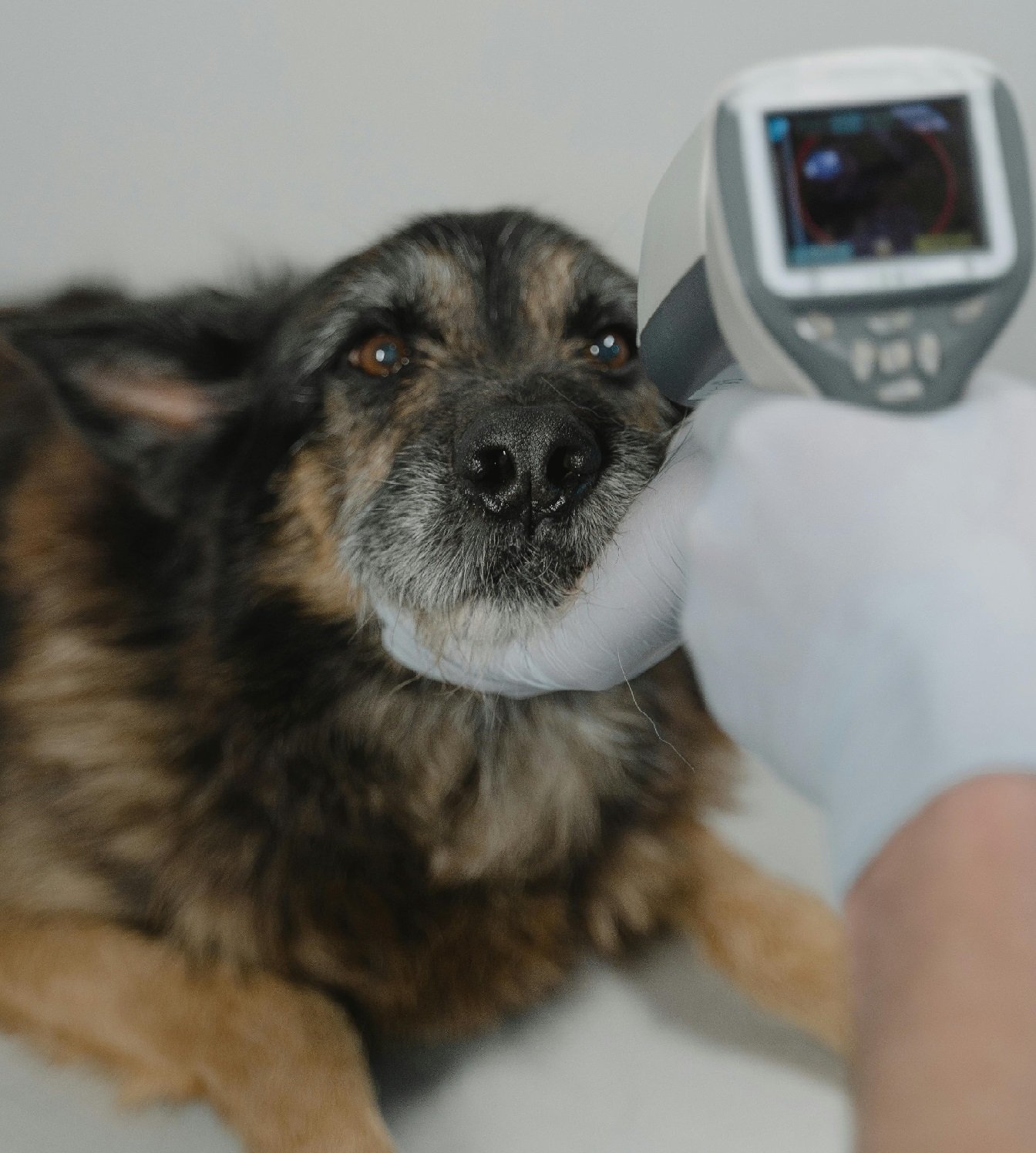
Introduction: As pet owners, we always strive to ensure the well-being and safety of our furry companions. Whether it's for routine procedures or more complex surgeries, the topic of anesthesia can often be a cause for concern. In this blog post, we will explore the importance of safe anesthesia in pets and provide essential information to put your mind at ease. Understanding Anesthesia in Pets: Anesthesia is a medical intervention that helps pets to undergo procedures, surgeries, or examinations painlessly and stress-free. It induces a temporary state of controlled unconsciousness, allowing veterinarians to perform necessary procedures safely. Safe Administration of Anesthesia: 1. Pre-Anesthetic Assessment: Before administering anesthesia, veterinarians conduct a thorough assessment to evaluate a pet's health condition and identify potential risks. This assessment may include a physical examination, blood work, and additional diagnostic tests to ensure the pet is fit for anesthesia. 2. Certified Veterinary Anesthesiologists: In complex cases, such as major surgeries or high-risk patients, veterinary specialists in anesthesia play a crucial role. These professionals have advanced training and expertise in administering anesthesia and monitoring the pet's vital signs throughout the procedure. 3. Personalized Anesthesia Protocols: Each pet is unique, and their anesthetic needs can vary greatly. Veterinary professionals consider factors such as age, breed, pre-existing medical conditions, and previous anesthetic history when formulating an individualized anesthesia protocol. This personalized approach ensures the best possible outcome and minimizes the risk of complications. 4. Monitoring and Support: Continuous monitoring during anesthesia is vital to identify any potential issues promptly. Veterinary teams utilize advanced monitoring equipment to assess the pet's heart rate, blood pressure, oxygen levels, and body temperature. Trained staff members closely watch over the pet's vital signs, ensuring their well-being throughout the entire procedure. 5. Post-Anesthetic Care: After the procedure, pets are carefully observed as they recover from anesthesia. The veterinary team will provide a comfortable and quiet recovery area, ensuring appropriate pain management. They will also guide pet owners on post-operative care, including any necessary medications, dietary adjustments, and activity restrictions. Benefits of Safe Anesthesia: 1. Pain-Free Procedures: Anesthesia ensures that your pet remains pain-free during any necessary procedure or surgery. 2. Reduced Anxiety and Stress: Anesthesia helps alleviate anxiety and stress in pets, making their experiences more comfortable and less traumatic. 3. Uninterrupted Procedure: Anesthesia allows veterinarians to perform procedures without any resistance from the pet, ensuring precision and safety. Conclusion: The safety of our beloved pets during anesthesia is paramount. By working closely with veterinary professionals who prioritize safe anesthesia protocols, pet owners can ensure their furry companions receive the care they deserve. Remember to discuss any concerns or questions with your veterinarian, as they are best equipped to address specific circumstances and provide personalized advice. With proper anesthesia protocols in place, we can ensure our pets' well-being as they undergo necessary procedures for a healthier and happier life. Get a well-rounded perspective with http://www.qqhbo.com


