Useful links
Home Preventive Care for Pets Pet Training Pet Bathing and Grooming Core Vaccines for Pets
Home Preventive Care for Pets Pet Training Pet Bathing and Grooming Core Vaccines for Pets
Category : petvetexpert | Sub Category : petvetexpert Posted on 2023-10-30 21:24:53
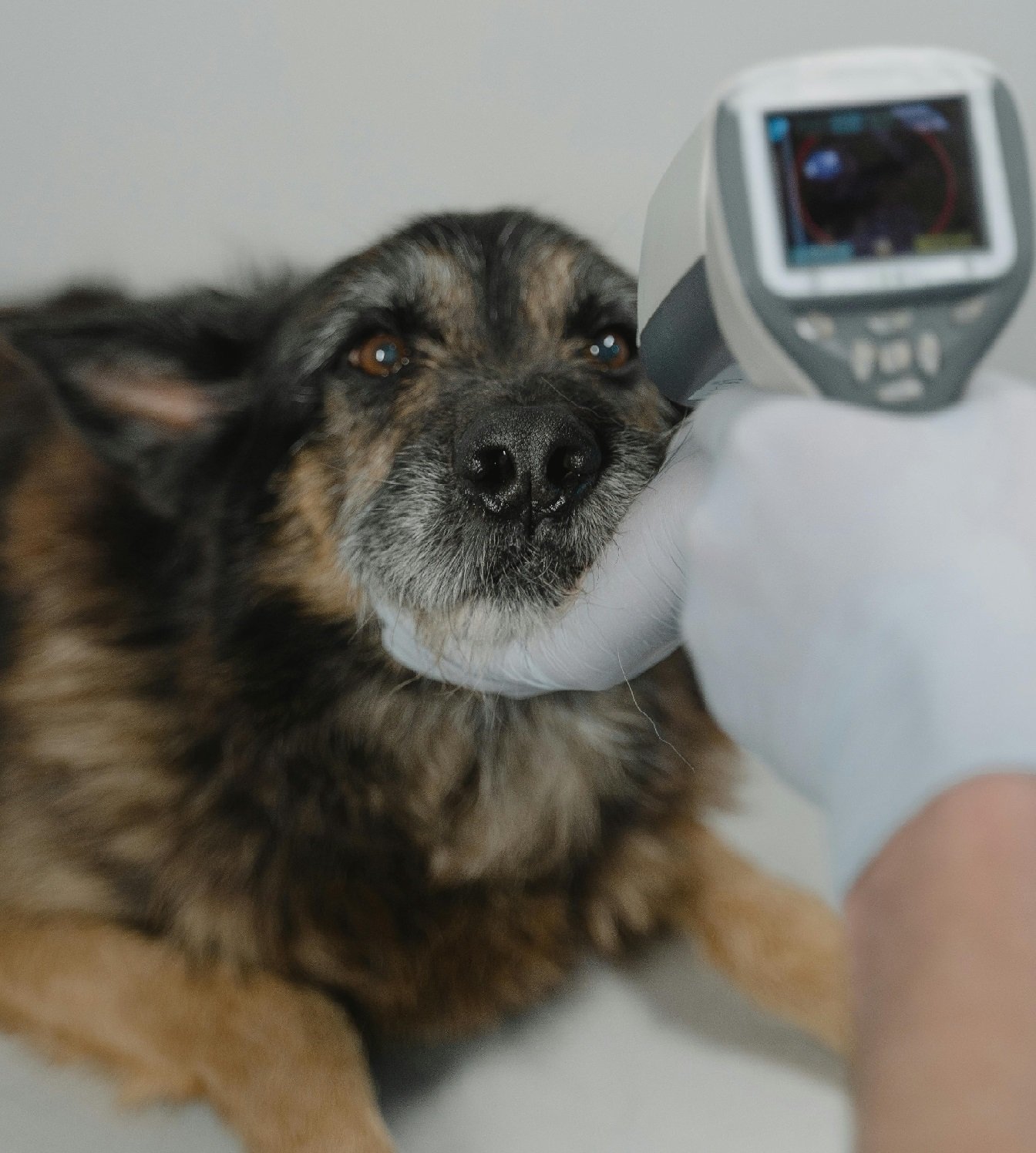
Introduction: Taking care of our pets is essential for their overall well-being and longevity. While providing them with love, proper nutrition, and exercise are important, preventive care plays a crucial role in ensuring their health. Just like humans, pets can also benefit from regular check-ups, vaccinations, and screenings. In this blog post, we will delve into the significance of preventive care for pets and discuss some essential measures every pet owner should take. Regular Vet Check-ups: Regular veterinary check-ups are the cornerstone of preventive care for pets. By scheduling annual visits, you can catch any potential health issues early on and prevent them from becoming more serious. During these visits, your vet will conduct a thorough physical examination, check for common health problems, and address any concerns you may have. Additionally, routine blood and urine tests can help detect underlying conditions that may not be apparent externally. Vaccinations: Vaccinations are vital in protecting your pets from various infectious diseases. Vaccinations are typically given when pets are young, and booster shots are required periodically to maintain their effectiveness. Core vaccines, such as those for rabies, distemper, and parvovirus, are essential for both dogs and cats. However, the specific vaccines your pet needs may vary depending on factors such as their age, lifestyle, and geographic location. Consult with your veterinarian to create a vaccination schedule tailored to your pet's needs. Parasite Prevention: Fleas, ticks, and worms are not only bothersome for pets but can also lead to severe health issues. Implementing a preventive approach to parasite control is crucial to ensure your pet's well-being. Regularly administering flea and tick preventives, deworming, and using products recommended by your vet can help keep parasites at bay. Additionally, inspecting your pet's coat after outdoor activities and maintaining a clean living environment can further reduce the risk of infestations. Dental Care: Oral health is often overlooked in pets, but it is vital to their overall health. Dental problems can lead to pain, difficulty eating, and even serious systemic issues. Regular toothbrushing, dental chews, and seeking professional dental cleaning under anesthesia when necessary can help prevent dental disease and promote oral hygiene. Weight Management and Exercise: Maintaining a healthy weight is as important for pets as it is for humans. Obesity can lead to various health issues, including joint problems, diabetes, and heart disease. Regular exercise and a balanced diet are essential for keeping your pet fit and avoiding excessive weight gain. Consult your veterinarian to determine the appropriate diet and exercise routine for your pet based on their age, breed, and individual needs. Conclusion: Preventive care should be a top priority for every pet owner. By investing in regular check-ups, vaccinations, parasite control, dental care, and weight management, you are providing your furry friends with the best chance at a long and healthy life. Remember, your veterinarian is a valuable resource for guidance and advice regarding your pet's preventive care needs. By working together, you can ensure your pets stay happy, healthy, and by your side for years to come. For a broader perspective, don't miss http://www.qqhbo.com


