Useful links
Home Preventive Care for Pets Pet Training Pet Bathing and Grooming Core Vaccines for Pets
Home Preventive Care for Pets Pet Training Pet Bathing and Grooming Core Vaccines for Pets
Category : petvetexpert | Sub Category : petvetexpert Posted on 2023-10-30 21:24:53
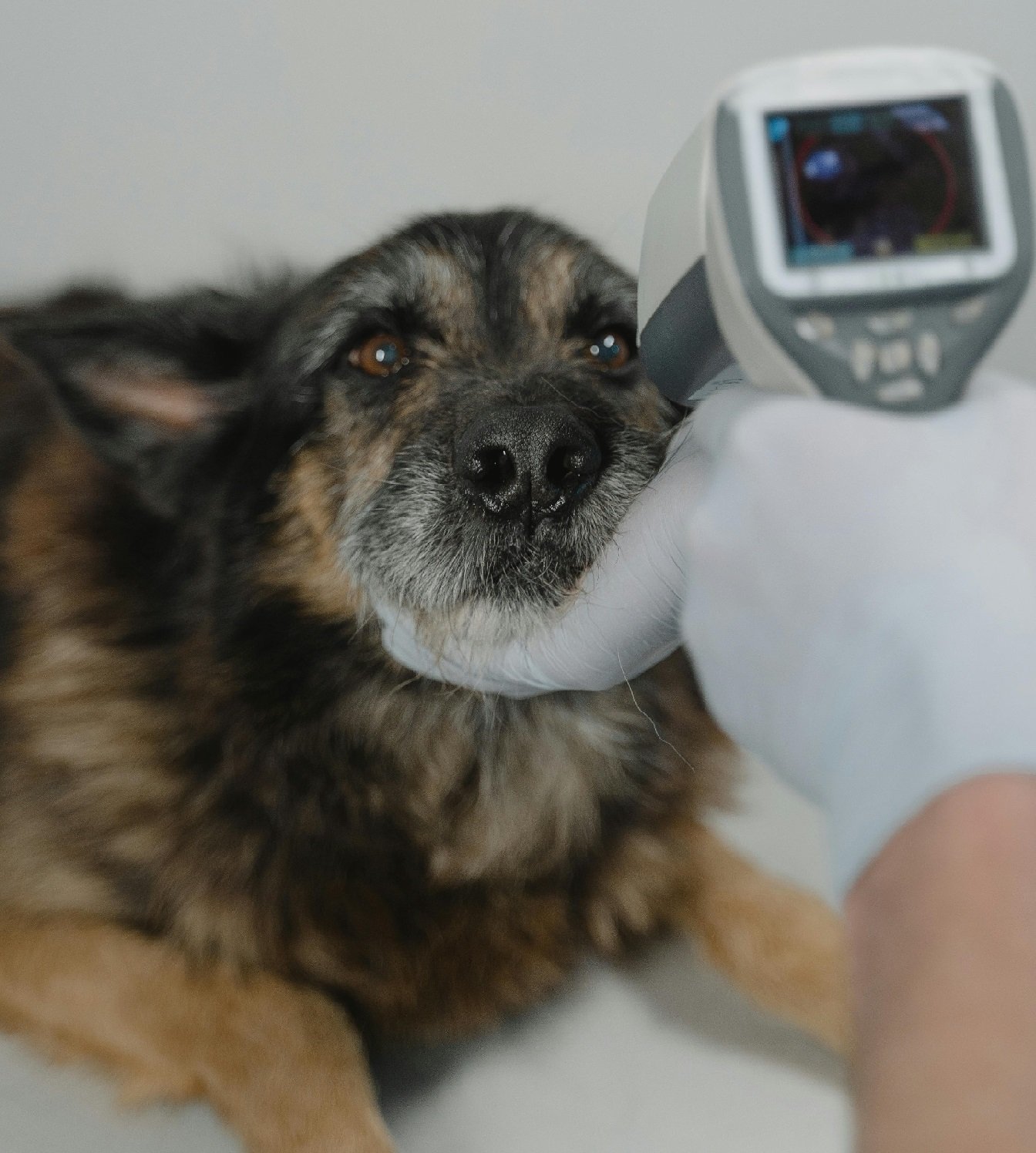
Introduction: For many pet owners, their furry friends are an integral part of their family. When a beloved pet suffers from an injury or undergoes surgery, it can be a challenging time for both the pet and their human companion. However, thanks to advancements in veterinary medicine, physical therapy for pets is now a viable option for promoting healing and restoring mobility. In this article, we will delve into the world of physical therapy for pets and discover how it can benefit our four-legged companions. Understanding Physical Therapy for Pets: Just like humans, pets can experience a range of physical ailments, including joint problems, muscle strains, fractures, and surgeries. Physical therapy for pets involves a combination of hands-on therapies, exercises, and medical modalities to help improve their mobility, strength, and overall quality of life. Benefits of Physical Therapy for Pets: 1. Accelerated Recovery: Physical therapy helps speed up the healing process by reducing inflammation, improving circulation, and promoting tissue repair. 2. Pain Management: Pets in pain may become immobile or exhibit behavioral changes. Physical therapy techniques, such as massage, hydrotherapy, and therapeutic ultrasound, help alleviate pain and enhance comfort. 3. Improved Range of Motion: Pets with limited range of motion can benefit from therapeutic exercises, stretching, and joint mobilization techniques, which increase flexibility and enhance joint function. 4. Muscle Strength and Balance: Physical therapy programs include exercises aimed at strengthening weak muscles and improving body balance, helping pets regain their stability and strength. 5. Weight Management: Excess weight can exacerbate physical ailments and prolong recovery time. Physical therapy incorporates exercise programs tailored to the pet's abilities, supporting weight management efforts. Types of Physical Therapy for Pets: 1. Therapeutic Exercises: These exercises focus on improving strength, coordination, and flexibility. Depending on the pet's condition, exercises may include walking on an underwater treadmill, balance exercises, or targeted muscle strengthening exercises. 2. Hydrotherapy: Water-based therapy allows pets to exercise in a low-impact environment, reducing stress on their joints. It can include swimming or walking on an underwater treadmill, aiding in muscle and joint recovery. 3. Massage Therapy: Just as with humans, massage therapy for pets promotes relaxation, pain relief, and improved blood flow. It also reduces muscle tension and stimulates the release of endorphins, promoting feelings of well-being in pets. 4. Laser Therapy: Low-level laser therapy uses focused light to stimulate cell growth, reduce inflammation, and increase blood circulation, leading to tissue repair and pain reduction. Conclusion: Physical therapy for pets has emerged as a valuable resource in veterinary medicine, offering a path to recovery and improved quality of life for our furry companions. Whether your pet is recovering from surgery, managing chronic pain, or suffering from a musculoskeletal condition, working with a certified veterinary physiotherapist can make a significant difference in their overall well-being. It's essential to consult with your veterinarian before beginning any physical therapy program for your pet. They can guide you towards a qualified professional who will create a tailored plan based on your pet's specific needs. With patience, dedication, and the right support, you can help your beloved pet regain their strength, mobility, and zest for life. also don't miss more information at http://www.qqhbo.com


