Useful links
Home Preventive Care for Pets Pet Training Pet Bathing and Grooming Core Vaccines for Pets
Home Preventive Care for Pets Pet Training Pet Bathing and Grooming Core Vaccines for Pets
Category : petvetexpert | Sub Category : petvetexpert Posted on 2023-10-30 21:24:53
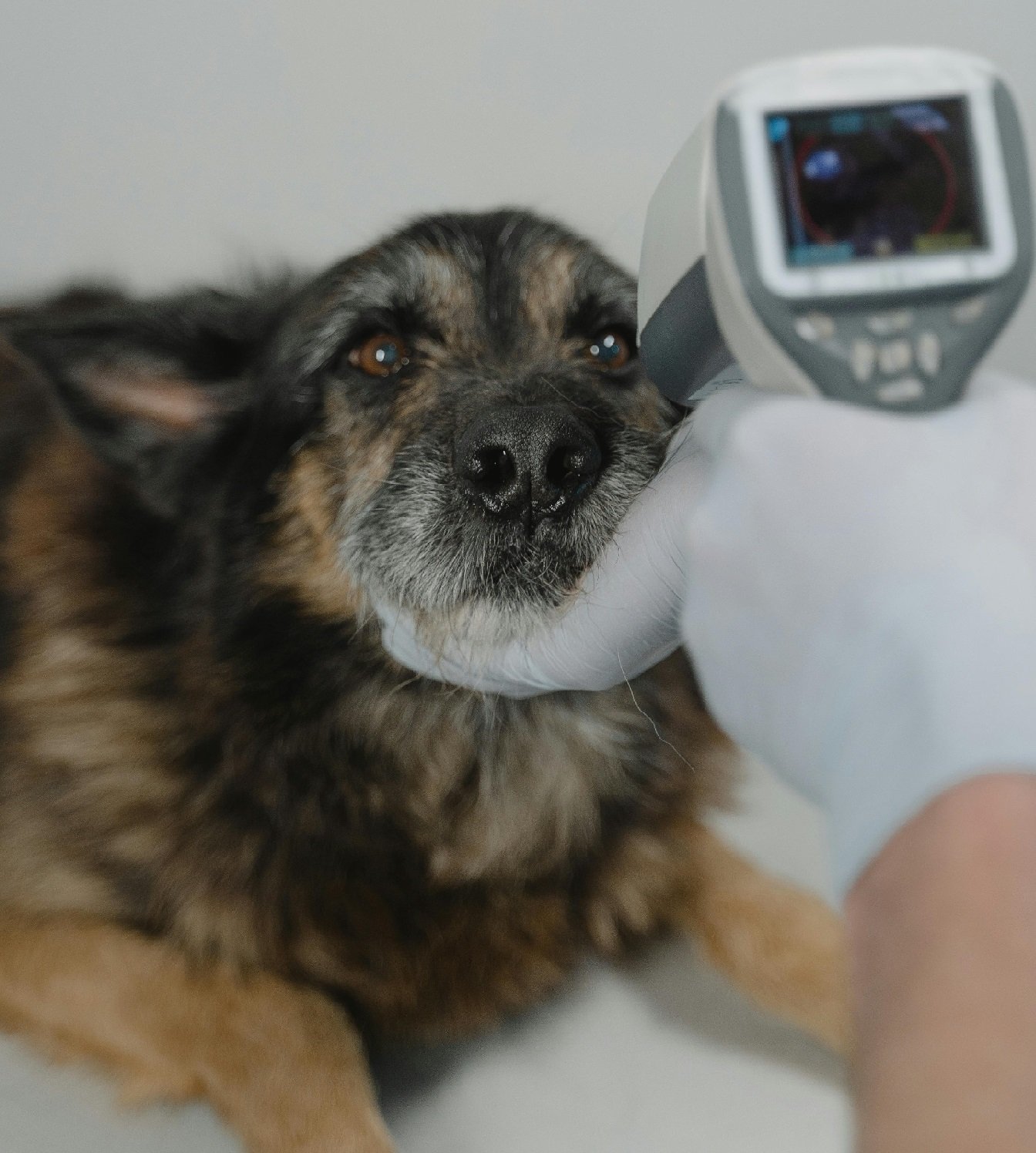
Introduction: As pet owners, we want nothing but the best for our furry companions. However, just like humans, pets are also prone to various health issues, including skin conditions. These conditions can cause discomfort, pain, and even affect their overall well-being. In this blog post, we will explore some common skin conditions affecting pets and provide helpful tips on how to manage and prevent them. 1. Allergies: Allergies can manifest in pets as itchiness, redness, and skin irritation. Common allergens include pollen, dust mites, certain foods, or even contact with certain materials. To manage allergies, it's essential to identify and avoid the allergen whenever possible. In some cases, your veterinarian may prescribe medications or recommend hypoallergenic diets. 2. Dermatitis: Dermatitis refers to inflammation of the skin, which can have various causes such as allergies, parasites (fleas, ticks, mites), or bacterial and fungal infections. Regular grooming, including bathing and brushing, can help prevent dermatitis by removing dirt, debris, and potential irritants. If your pet develops dermatitis, consult a veterinarian for proper diagnosis and treatment options. 3. Hot Spots: Hot spots, also known as acute moist dermatitis, are localized areas of inflamed and infected skin. They often occur as a result of excessive scratching or licking due to allergies, wounds, or underlying skin conditions. To prevent hot spots, keep your pet's fur clean and well-groomed. Addressing the underlying cause, such as treating allergies or using a waterproof protective barrier may be necessary to manage and heal existing hot spots. 4. Parasitic Infections: Fleas, ticks, and mites are common external parasites that can cause severe skin irritation and infections in pets. Regularly check your pet for these parasites and use appropriate preventive measures recommended by your veterinarian. Promptly treating any infestations can prevent further complications. 5. Dry Skin: Dry skin can occur due to environmental factors, allergies, or nutritional deficiencies. Ensure your pet has a well-balanced diet and fresh water available at all times. Regularly moisturize your pet's skin with pet-safe moisturizers or consult your veterinarian for recommended products. If dry skin persists, it's important to consult a vet to rule out underlying conditions like hypothyroidism or immune-mediated diseases. 6. Skin Tumors: Skin tumors can be benign or malignant and commonly affect older pets. Regularly inspect your pet's skin for any lumps, bumps, or changes in skin color, texture, or appearance and report them to your veterinarian immediately. Early detection and intervention can significantly improve the prognosis and outcome. Conclusion: Taking care of your pet's skin health is vital for their overall well-being and happiness. Regular grooming, appropriate preventive measures, and seeking prompt veterinary care when needed are essential steps in managing and preventing skin conditions. Remember, each pet is unique, and consulting with a veterinarian for a proper diagnosis and tailored treatment plan is crucial. By becoming proactive and informed pet owners, we can keep our pets happy, healthy, and itch-free! also for More in http://www.qqhbo.com


