Useful links
Home Preventive Care for Pets Pet Training Pet Bathing and Grooming Core Vaccines for Pets
Home Preventive Care for Pets Pet Training Pet Bathing and Grooming Core Vaccines for Pets
Category : petvetexpert | Sub Category : petvetexpert Posted on 2023-10-30 21:24:53
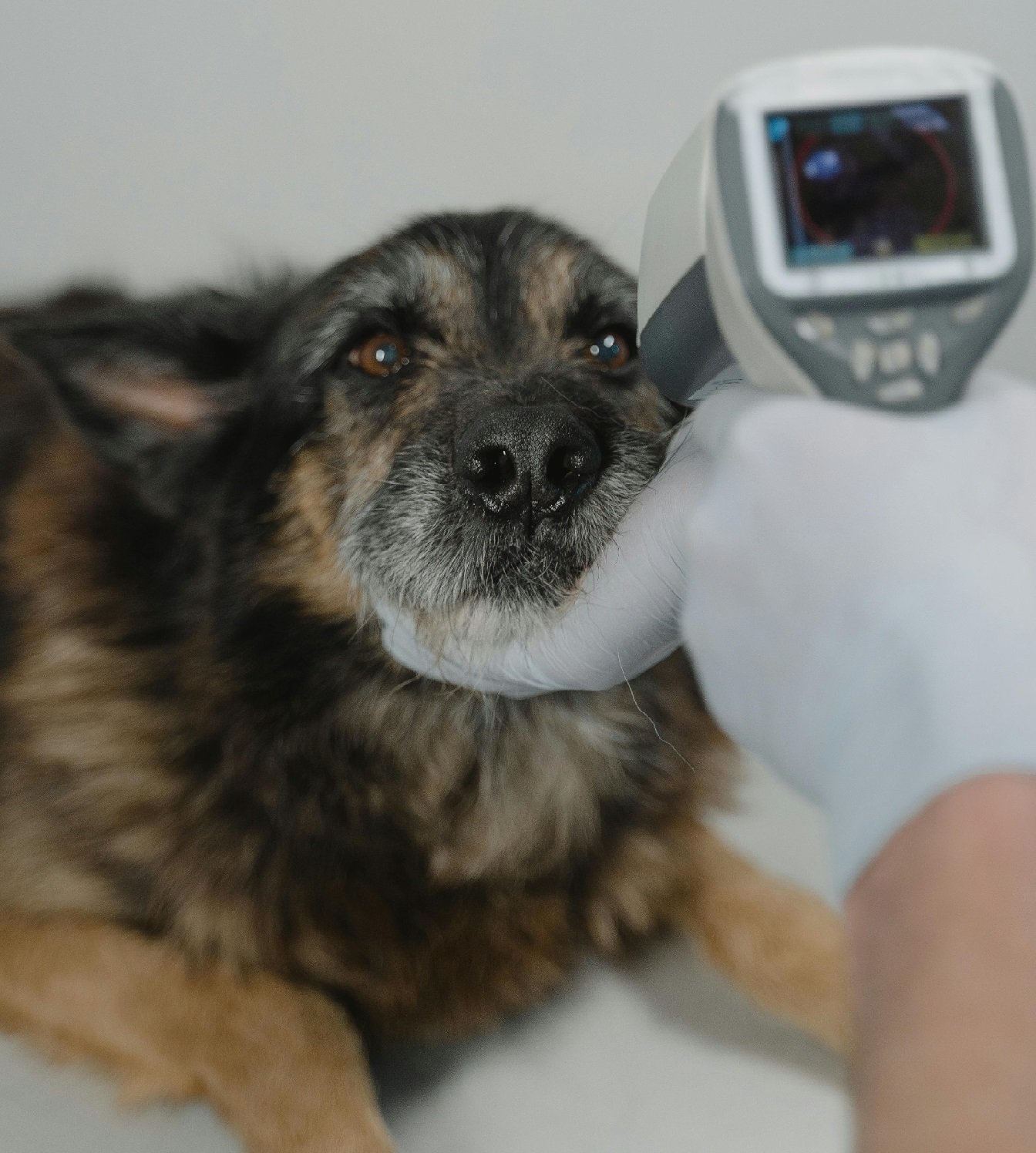
Introduction: As our beloved pets age, they require extra love, care, and attention to ensure their health and well-being. Just like humans, senior pets experience age-related changes that affect their overall health and quality of life. In this blog post, we will explore some essential tips to help you provide the best veterinary care for your senior pet. 1. Regular Veterinary Check-ups: Regular visits to the veterinarian are crucial for senior pets. As they age, they become more susceptible to various health conditions such as arthritis, dental disease, diabetes, and kidney problems. By scheduling regular check-ups, your veterinarian can detect any underlying health issues early on and provide appropriate treatments or preventive measures. 2. Balanced Diet: Nutrition plays a vital role in maintaining the overall health of senior pets. As your pet ages, their metabolism slows down, and they may require a different dietary approach. Consult with your veterinarian to create a balanced diet plan that meets the specific nutritional needs of your senior pet. Specialized senior pet food often contains necessary nutrients to support bone, joint, and cognitive health. 3. Exercise and Mental Stimulation: While senior pets may not be as active as they once were, regular exercise and mental stimulation are still essential. Tailor exercise activities based on your pet's abilities and limitations. Short walks, gentle playtime, and puzzle toys can provide the physical and mental stimulation they need. Exercise helps maintain muscle strength, promotes joint flexibility, and aids digestion. 4. Dental Care: Dental health is often overlooked but critical for senior pets. Dental problems, such as gum disease and tooth decay, can lead to chronic pain, appetite loss, and other health complications. Regular dental check-ups, teeth cleanings, and brushing their teeth at home can help prevent dental issues and maintain good oral hygiene. 5. Weight Management: Maintaining a healthy weight is crucial for senior pets to prevent obesity-related health issues. Extra weight puts strain on their joints, exacerbates arthritis, and increases the risk of heart disease and diabetes. Talk to your veterinarian about an appropriate diet and portion control to help your senior pet achieve and maintain a healthy weight. 6. Provide Comfortable Environment: As your pet ages, they may experience physical discomfort, such as joint pain or stiffness. Make their daily living more comfortable by providing soft bedding, orthopedic pet beds, and ramps or steps to access elevated surfaces. Ensure that their environment is warm, free from hazards, and easily accessible. Conclusion: Providing proper veterinary care for your senior pet is not only essential but an act of love and compassion. Regular check-ups, a balanced diet, exercise, dental care, weight management, and a comfortable environment go a long way in ensuring their overall health and well-being. Remember, with proper care, your aging furry friend can enjoy their golden years to the fullest. Want to know more? Don't forget to read: http://www.doctorregister.com For a comprehensive overview, don't miss: http://www.tinyfed.com If you are enthusiast, check the following link http://www.natclar.com If you are interested you can check the following website http://www.qqhbo.com


