Useful links
Home Preventive Care for Pets Pet Training Pet Bathing and Grooming Core Vaccines for Pets
Home Preventive Care for Pets Pet Training Pet Bathing and Grooming Core Vaccines for Pets
Category : petvetexpert | Sub Category : petvetexpert Posted on 2023-10-30 21:24:53
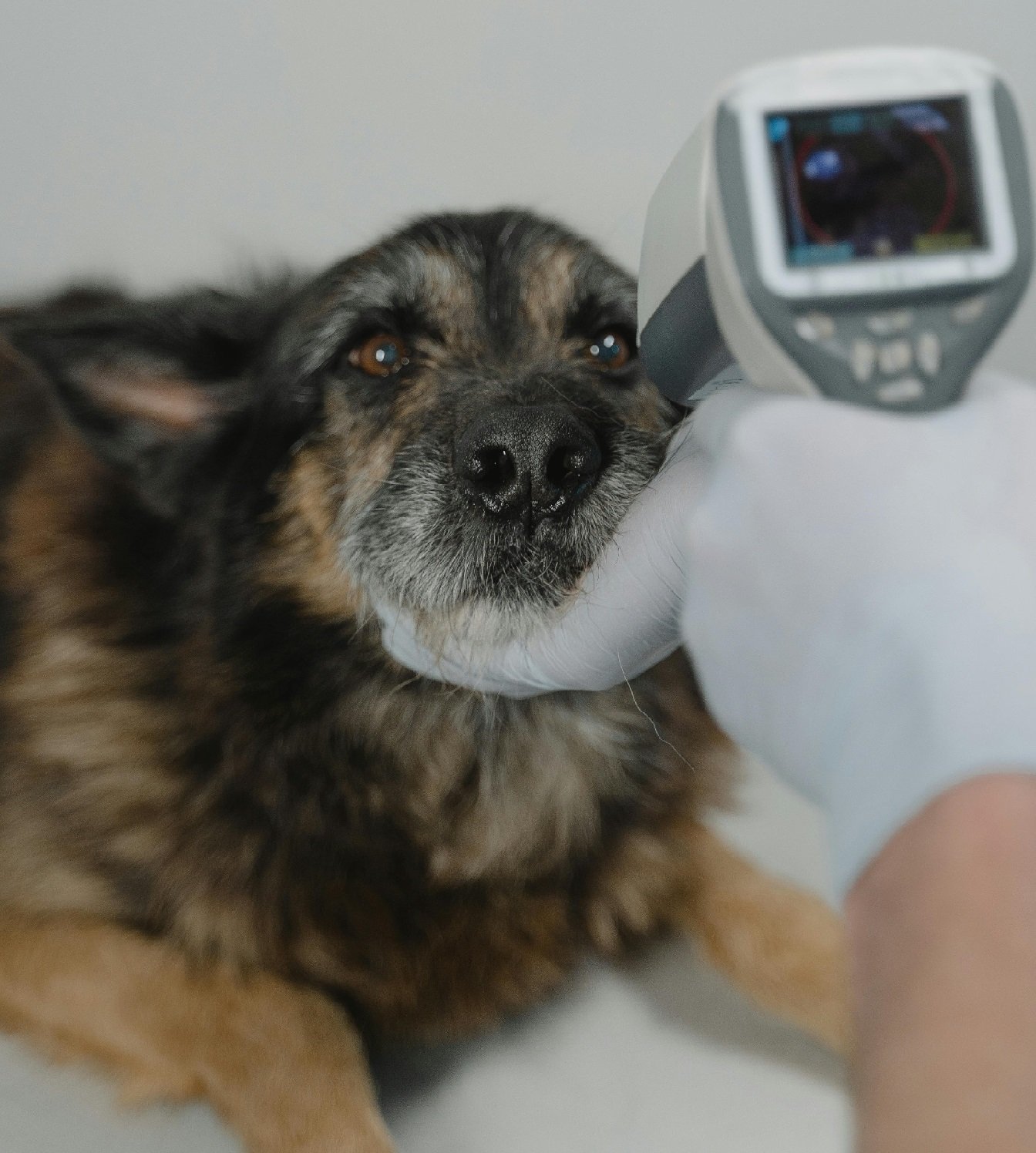
Introduction: For many pet owners, their furry friends are not just animals, but cherished members of the family. We go to great lengths to provide them with a safe and nurturing environment, ensuring their health and well-being at all times. However, have you considered what would happen to your pets if something were to happen to you? In this blog post, we will explore the importance of incorporating veterinary care into your estate planning to guarantee the continued health and happiness of your beloved pets. 1. Identifying a Trusted Pet Guardian: One of the most crucial steps in pet estate planning is selecting a trusted individual who can serve as your pet's guardian in case you can no longer provide care. This person should have a genuine love for animals and be willing to take on the responsibility of providing veterinary care, feeding, and emotional support for your pet. Before making your decision, have an open conversation with the potential guardian to ensure they are committed to upholding your pet's healthcare needs. 2. Creating a Detailed Pet Care Plan: To ensure that your pet's veterinary care needs are met, it is essential to create a detailed pet care plan. This plan should include information about your pet's medical history, vaccination records, dietary needs, medications, allergies, grooming requirements, and any other important details that could impact their well-being. Share this plan with your pet's guardian and your estate planner to ensure that everyone is on the same page regarding your pet's care. 3. Establishing a Pet Trust: A valuable tool in pet estate planning is the establishment of a pet trust. A pet trust is a legally binding document that ensures your pet's financial needs will be met throughout their lifetime. Within the trust, you can allocate funds for veterinary care, grooming, training, boarding, and any other expenses required for your pet's well-being. It is advisable to work with an attorney experienced in estate planning to assist you in creating a comprehensive and enforceable pet trust. 4. Choosing a Veterinary Care Provider: Research and select a reputable veterinary care provider whom you trust to provide excellent medical care for your pet. Consider factors such as their expertise, proximity to your pet's guardian, and their ability to handle any medical emergencies that may arise. Communicate with your chosen veterinary care provider about your pet's situation, and ensure they have all necessary medical records and your contact information in case of any emergencies. 5. Regular Reviews and Updates: As life circumstances change, it is essential to review and update your pet's veterinary care plan regularly. Keep in mind that your pet's health needs may evolve over time, and it is crucial to ensure the plan is up-to-date and reflective of their current requirements. Regularly communicate with your pet's guardian, veterinarian, and estate planner to make any necessary adjustments to your pet care plan. Conclusion: Incorporating veterinary care into your estate planning is an act of love and responsibility towards your beloved pets. By selecting a trusted pet guardian, creating a detailed pet care plan, establishing a pet trust, choosing a reliable veterinary care provider, and regularly reviewing and updating your plan, you can ensure your pets will receive the necessary care they deserve, even if you are no longer able to provide it yourself. Take the time to plan ahead so that your pets will continue to lead healthy, happy lives in the event of unforeseen circumstances. If you are interested you can check http://www.qqhbo.com also don't miss more information at http://www.upital.com


