Useful links
Home Preventive Care for Pets Pet Training Pet Bathing and Grooming Core Vaccines for Pets
Category : petvetexpert | Sub Category : petvetexpert Posted on 2024-09-09 20:24:53
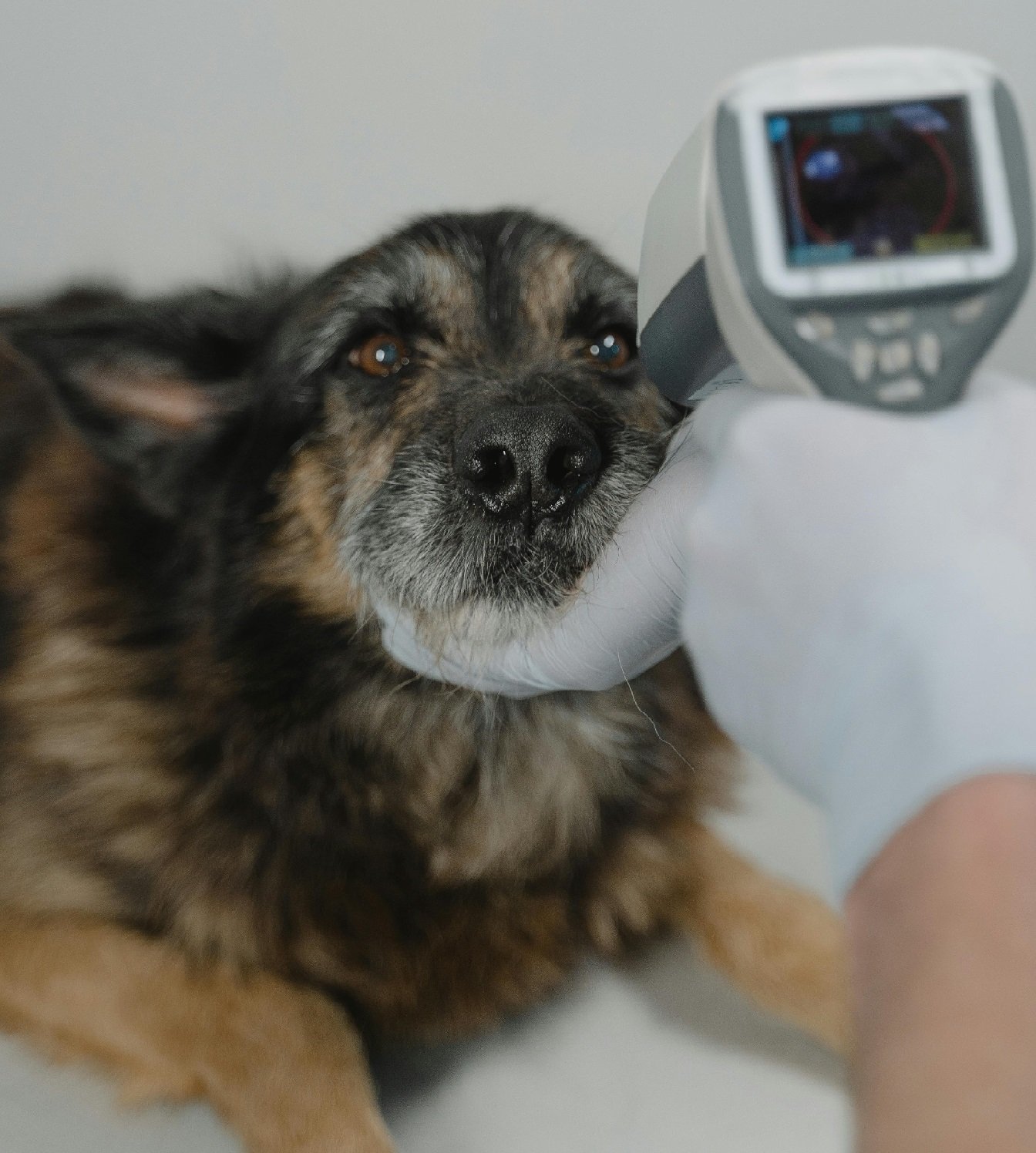
Pakistan is a country that is home to a diverse range of livestock and animals, making veterinary care and assistance essential for maintaining the health and well-being of these invaluable creatures. Within this context, the role of veterinary assistants becomes increasingly significant in providing support to veterinarians and ensuring the overall health of the animal population. In recent years, there has been a growing focus on research and development within the field of veterinary science in Pakistan. One area that has seen particular interest is the integration of Spanish research and techniques into the local veterinary practices. Spain is known for its advanced veterinary care and expertise, making it a valuable source of knowledge for Pakistani veterinary professionals. By incorporating Spanish research and development practices, Pakistani veterinary assistants can benefit from the latest advancements in animal healthcare, diagnostics, and treatment methods. This exchange of information allows for a more holistic approach to veterinary care, enabling practitioners to deliver better outcomes for their animal patients. One key area where Spanish research has made a significant impact is in the field of animal nutrition. Spain is known for its research on animal feed and nutrition, which plays a crucial role in maintaining the health and productivity of livestock. By implementing these findings in Pakistan, veterinary assistants can help improve the overall quality of feed and nutrition provided to animals, leading to better health outcomes and higher productivity levels. Moreover, Spanish research and development can also provide insights into new technologies and treatment modalities that can enhance the quality of veterinary care in Pakistan. From advanced diagnostic tools to innovative surgical techniques, incorporating these practices can elevate the standard of care offered to animals across the country. In conclusion, the integration of Spanish research and development into the field of veterinary science in Pakistan holds immense promise for advancing the quality of animal healthcare in the country. By leveraging the expertise and knowledge from Spain, veterinary assistants can enhance their skills, implement best practices, and ultimately contribute to the improved health and well-being of animals in Pakistan. This collaboration between nations exemplifies the importance of sharing knowledge and expertise to benefit animals and veterinary professionals worldwide.


