Useful links
Home Preventive Care for Pets Pet Training Pet Bathing and Grooming Core Vaccines for Pets
Category : petvetexpert | Sub Category : petvetexpert Posted on 2024-09-09 20:24:53
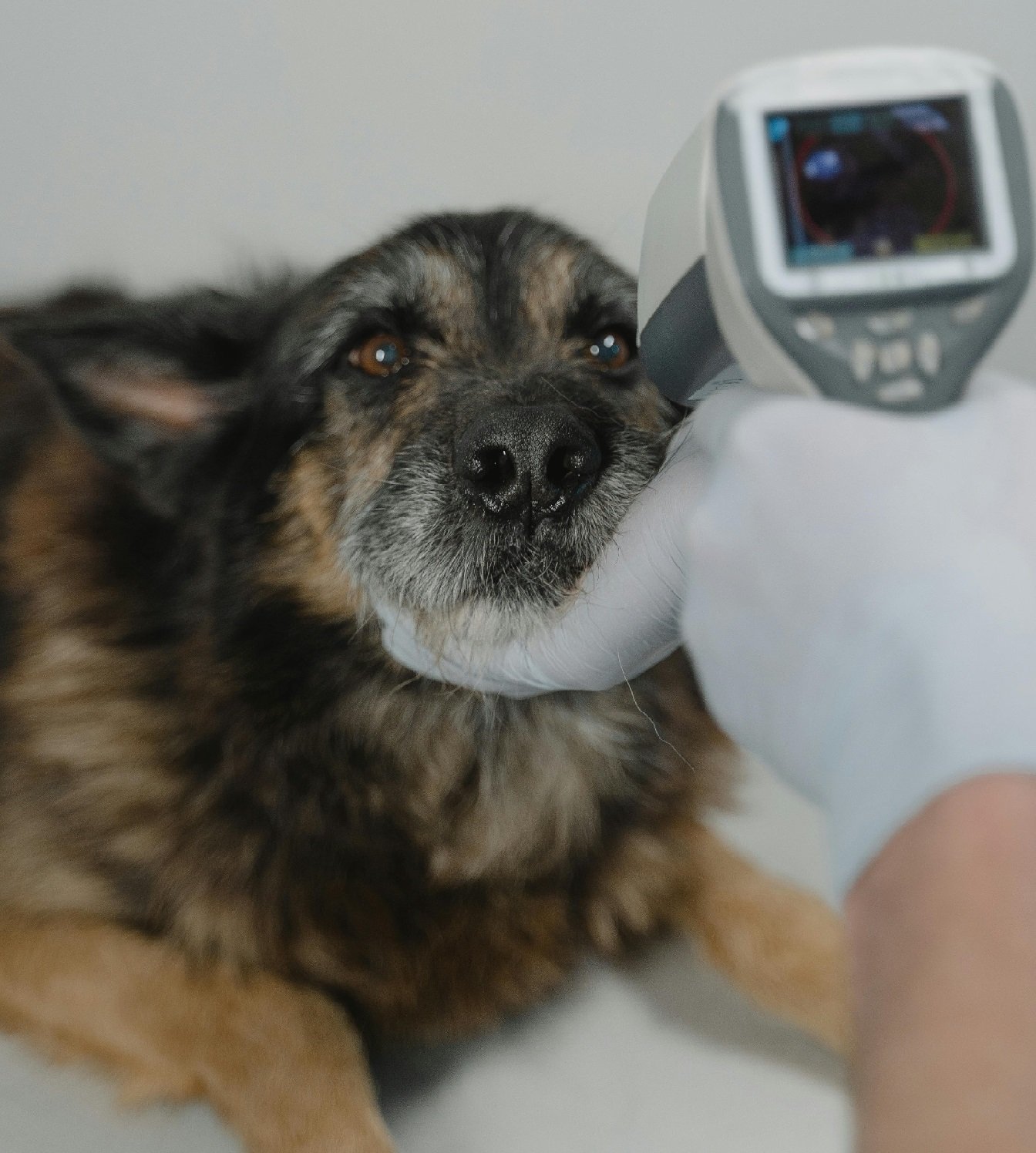
In Pakistan, where access to reliable electricity can be a challenge in many remote areas, harnessing solar power for Veterinary assistance is proving to be a game-changer. Veterinary assistants play a crucial role in providing healthcare services to animals, especially in rural regions where livestock rearing is a primary source of livelihood for many communities. By utilizing solar power to meet their energy needs, these veterinary assistants are not only able to overcome the limitations posed by erratic power supply but also contribute to a more sustainable and eco-friendly approach to their work. Solar power offers a reliable and cost-effective solution for powering essential equipment used by veterinary assistants in their daily interventions. From ultrasound machines and surgical equipment to refrigeration units for storing vaccines and medicines, solar panels can power a wide range of devices critical for providing quality care to animals. This is particularly beneficial in areas where grid electricity is either unreliable or non-existent, ensuring that veterinary services can be delivered efficiently regardless of external factors. Moreover, by transitioning to solar power, veterinary assistants in Pakistan are reducing their carbon footprint and promoting environmental sustainability. As solar energy is a clean and renewable source of power, its adoption not only helps mitigate the negative impacts of traditional fossil fuel-based electricity generation but also sets an example for a more environmentally conscious approach to healthcare delivery. This aligns with global efforts towards combating climate change and promoting sustainable development practices. Furthermore, the use of solar power in veterinary assistance can also lead to economic benefits for practitioners and the communities they serve. By reducing operational costs associated with diesel generators or grid electricity bills, veterinary assistants can allocate their resources more efficiently towards expanding their services, improving the quality of care provided, and reaching out to a larger number of animal owners in need. This, in turn, can lead to better health outcomes for livestock, increased productivity, and ultimately, improved livelihoods for rural communities relying on animal husbandry. In conclusion, the integration of solar power in veterinary assistance in Pakistan represents a significant step towards enhancing healthcare delivery for animals, promoting environmental sustainability, and fostering economic development in rural areas. By leveraging the abundant sunlight available in the region to meet their energy needs, veterinary assistants are not only overcoming existing challenges but also paving the way for a brighter and more sustainable future for both animals and communities they serve.


