Useful links
Home Preventive Care for Pets Pet Training Pet Bathing and Grooming Core Vaccines for Pets
Home Preventive Care for Pets Pet Training Pet Bathing and Grooming Core Vaccines for Pets
Category : petvetexpert | Sub Category : petvetexpert Posted on 2024-09-09 20:24:53
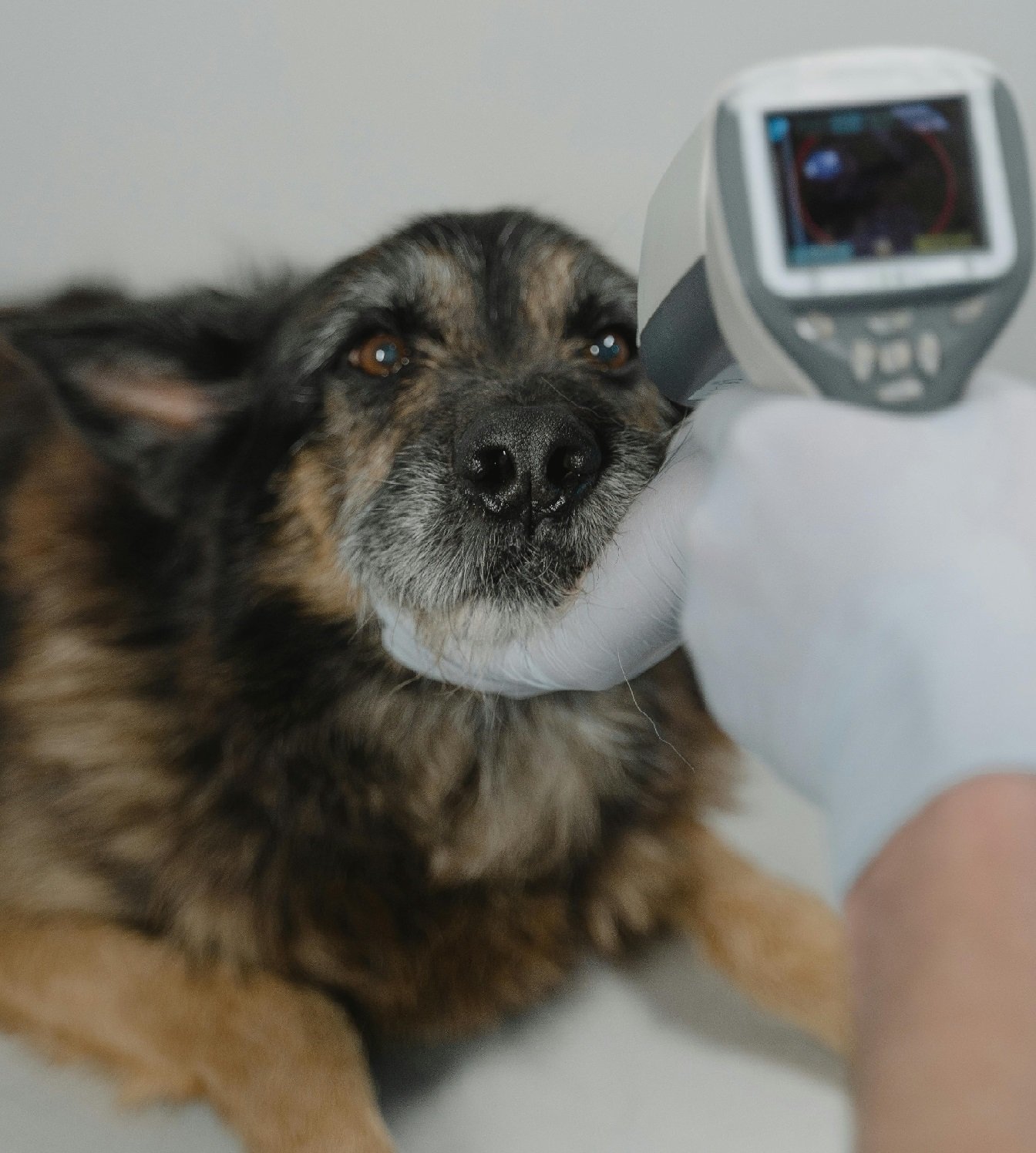
As a Veterinary assistant, understanding the fundamentals of nutrition is essential for promoting the health and well-being of the animals in your care. While veterinarians are responsible for diagnosing and treating illnesses, veterinary assistants play a crucial role in implementing dietary recommendations and educating pet owners about proper nutrition. By engaging in nutrition self-study, veterinary assistants can enhance their knowledge and skills to better support the overall health of their animal patients. One key aspect of nutrition self-study for veterinary assistants is learning about the dietary requirements of different species. Dogs, cats, birds, rabbits, reptiles, and other animals have unique nutritional needs based on their species, age, size, and health status. Understanding the specific dietary requirements of each species is crucial for recommending appropriate diets and feeding practices. Veterinary assistants should familiarize themselves with the nutritional guidelines provided by organizations such as the Association of American Feed Control Officials (AAFCO) and the World Small Animal Veterinary Association (WSAVA). In addition to species-specific requirements, veterinary assistants should also learn about the role of nutrients in promoting optimal health. This includes understanding the functions of macronutrients (such as proteins, carbohydrates, and fats) and micronutrients (such as vitamins and minerals) in the body. By understanding how different nutrients contribute to overall health, veterinary assistants can make informed decisions when recommending diets for animals with specific health conditions or dietary needs. Furthermore, staying updated on the latest trends and developments in pet nutrition is essential for veterinary assistants. The field of animal nutrition is constantly evolving, with new research emerging on topics such as raw diets, grain-free diets, and novel protein sources. Veterinary assistants should be critical consumers of information and be able to evaluate the scientific validity of nutrition trends and fads. By staying informed about current nutrition recommendations, veterinary assistants can provide up-to-date guidance to pet owners and help them make informed decisions about their pets' diets. In conclusion, nutrition self-study is a valuable investment for veterinary assistants who are committed to providing the best possible care for animals. By expanding their knowledge of species-specific dietary requirements, nutrient functions, and emerging nutrition trends, veterinary assistants can play a vital role in promoting the health and well-being of the animals they serve. Through continuous learning and professional development in the field of nutrition, veterinary assistants can enhance their skills and contribute to the overall success of veterinary practices. Seeking expert advice? Find it in https://www.sfog.org


