Useful links
Home Preventive Care for Pets Pet Training Pet Bathing and Grooming Core Vaccines for Pets
Home Preventive Care for Pets Pet Training Pet Bathing and Grooming Core Vaccines for Pets
Category : petvetexpert | Sub Category : petvetexpert Posted on 2024-09-09 20:24:53
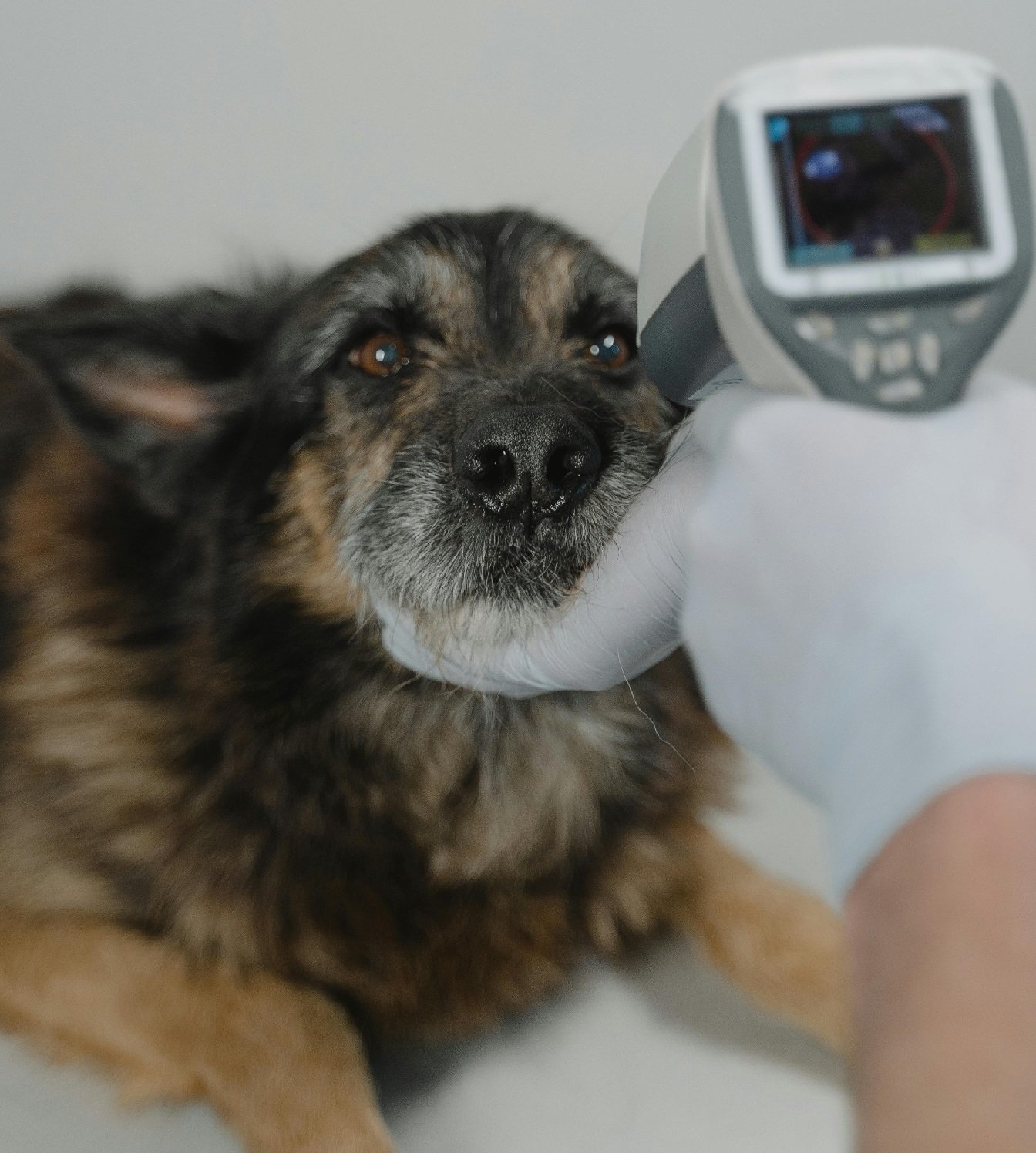
Introduction: As pet owners, ensuring that our furry friends are healthy and well-cared for is a top priority. One aspect of pet care that plays a significant role in their overall well-being is Nutrition. Proper nutrition is essential for maintaining your pet's health, energy levels, and longevity. In this blog post, we will explore some DIY home pet veterinary care tips focusing specifically on nutrition. 1. Consult with a Vet: Before making any significant changes to your pet's diet, it is crucial to consult with a veterinarian. They can provide valuable insight into your pet's specific nutritional needs based on factors such as age, breed, weight, and any underlying health conditions. 2. Balanced Diet: Just like humans, pets also need a balanced diet that includes proteins, carbohydrates, fats, vitamins, and minerals. Commercial pet foods are formulated to provide these essential nutrients, but you can also supplement your pet's diet with fresh fruits, vegetables, and lean meats. 3. Avoid Harmful Foods: There are several foods that are toxic to pets and should be avoided at all costs. These include chocolate, grapes, onions, garlic, xylitol (a sweetener found in many products), and caffeine. Make sure to keep these items out of reach of your pet to prevent accidental ingestion. 4. Portion Control: Obesity is a common issue among pets and can lead to various health problems. Monitor your pet's food intake and ensure that you are feeding them the appropriate portion size based on their weight and activity level. Avoid free feeding and stick to a regular feeding schedule. 5. Hydration: Proper hydration is essential for your pet's overall health. Always provide fresh, clean water for your pet to drink throughout the day. You can also include wet food in their diet to increase their water intake. 6. Monitor Weight and Body Condition: Regularly monitor your pet's weight and body condition to ensure they are maintaining a healthy weight. Adjust their diet and exercise routine accordingly if you notice any changes in their body condition. 7. homemade Treats: Instead of store-bought treats that may contain additives or preservatives, consider making homemade treats for your pet. There are plenty of recipes available online using pet-friendly ingredients like peanut butter, pumpkin, oats, and carrots. Conclusion: Nutrition plays a crucial role in keeping your pet healthy and happy. By following these DIY home pet veterinary care tips for nutrition, you can ensure that your furry friend is getting the essential nutrients they need to thrive. Remember to consult with a veterinarian before making any significant changes to your pet's diet and always prioritize their well-being above all else. For a deeper dive, visit: https://www.tknl.org


