Useful links
Home Preventive Care for Pets Pet Training Pet Bathing and Grooming Core Vaccines for Pets
Home Preventive Care for Pets Pet Training Pet Bathing and Grooming Core Vaccines for Pets
Category : petvetexpert | Sub Category : petvetexpert Posted on 2023-10-30 21:24:53
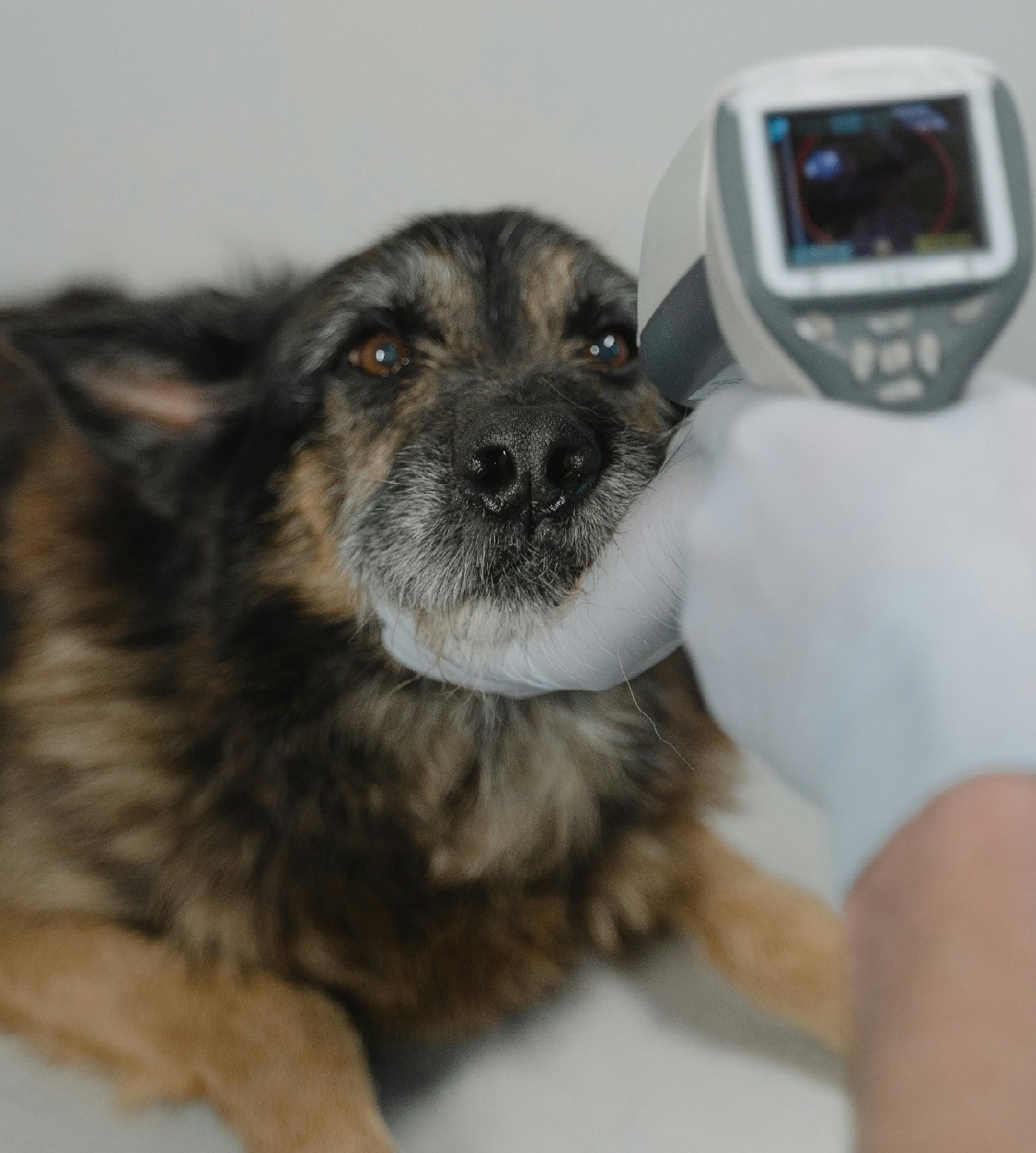
Introduction: As pet owners, we cherish the unconditional love and companionship our furry friends bring to our lives. Just like humans, pets can also experience heart-related issues that can significantly impact their overall health and quality of life. However, with the right preventive measures and veterinary care, you can help ensure your pet's heart remains strong and healthy for years to come. In this article, we will explore various aspects of pet heart health and discuss the importance of preventive medicine. Understanding Pet Heart Health: The heart is a vital organ that pumps oxygen-rich blood throughout the body. It plays a crucial role in keeping all bodily functions running smoothly. Unfortunately, several factors can predispose pets to heart problems, including age, breed, genetics, obesity, and underlying health conditions. Common heart issues seen in pets include heart murmurs, congestive heart failure, dilated cardiomyopathy, and valvular disease. The Role of Preventive Medicine: Prevention is always better than cure, and this holds true when it comes to your pet's heart health. Regular veterinary check-ups are essential for detecting early signs of heart problems and implementing preventive measures. During a routine examination, your veterinarian will listen to your pet's heart, measure their blood pressure, and may recommend additional tests such as an electrocardiogram (ECG) or echocardiogram to evaluate their heart's function. Promoting Heart-Healthy Habits: Besides regular veterinary care, there are several simple yet effective strategies you can implement to promote heart health in your pet: 1. Appropriate nutrition: Feeding your pet a balanced diet that is tailored to their specific needs can help maintain a healthy weight and reduce the risk of obesity, which is often associated with heart disease in pets. 2. Regular exercise: Keeping your pet physically active is crucial for their overall well-being, including heart health. Engage in activities that are suitable for their breed and age, such as walks, playtime, and interactive toys. 3. Dental care: Poor oral health can lead to bacterial infections that can potentially spread to the heart. Regular teeth brushing and professional dental cleanings can help prevent such issues. 4. Stress management: Chronic stress can have a negative impact on your pet's health, including their heart. Provide a calm, safe environment for your furry friend, and incorporate relaxation techniques, such as massage or soothing music. 5. Weight management: Maintaining an optimal weight is crucial for your pet's heart health. Consult with your veterinarian to determine the ideal weight for your pet and develop a weight management plan if necessary. Conclusion: Taking care of your pet's heart health should be a priority throughout their life. By implementing preventive medicine practices, partnering with your veterinarian, and maintaining a heart-healthy lifestyle for your pet, you can greatly reduce the risk of heart-related issues and ensure they enjoy a long, happy, and healthy life by your side. Remember, early detection and intervention are key, so don't delay in seeking professional guidance if you suspect any heart-related concerns in your beloved furry companion. For an alternative viewpoint, explore http://www.doctorregister.com For a different angle, consider what the following has to say. http://www.tinyfed.com You can also Have a visit at http://www.natclar.com


