Useful links
Home Preventive Care for Pets Pet Training Pet Bathing and Grooming Core Vaccines for Pets
Home Preventive Care for Pets Pet Training Pet Bathing and Grooming Core Vaccines for Pets
Category : petvetexpert | Sub Category : petvetexpert Posted on 2023-10-30 21:24:53
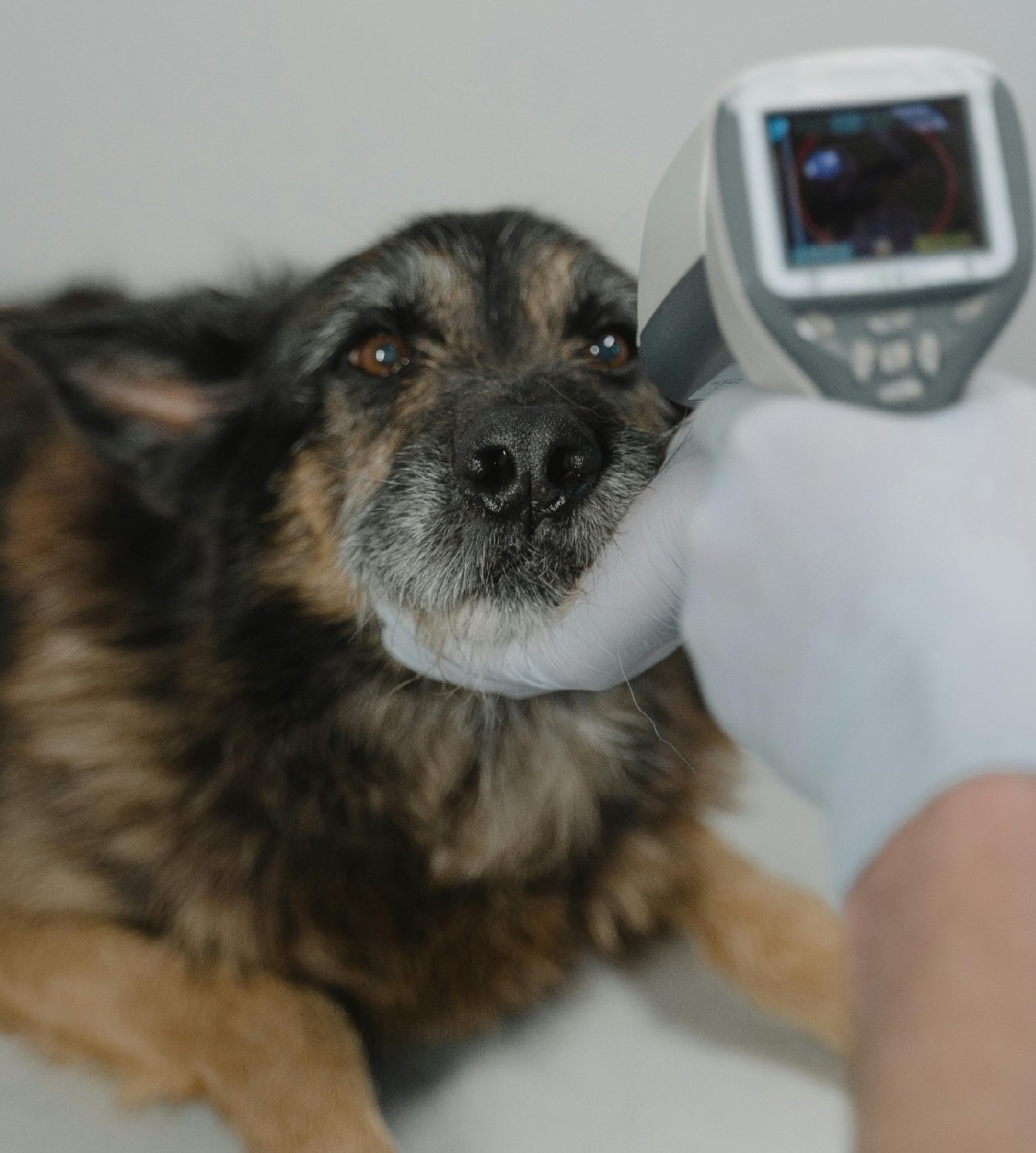
Introduction: As pet owners, we want the best for our furry companions, especially when it comes to their health and well-being. Whether it's a routine procedure or a complex surgery, the administration of anesthesia is a crucial aspect of veterinary medicine. In this blog post, we will delve into the importance of safe anesthesia in pets and discuss the measures taken by veterinarians to ensure the well-being of our beloved animals. Importance of Anesthesia in Veterinary Medicine: Just like humans, pets may require anesthesia for a variety of reasons such as dental cleanings, surgeries, or diagnostic procedures. Anesthesia helps keep the animal immobile, pain-free, and stress-free during such procedures. However, it's important to understand that anesthesia is not without risks. Therefore, a thorough assessment of the pet's health and proper monitoring during the procedure is vital to ensure their safety. Pre-Anesthetic Evaluation: To guarantee a safe anesthesia experience, veterinarians conduct a comprehensive pre-anesthetic evaluation. This involves a physical examination, blood tests, and sometimes imaging procedures to assess the pet's overall health. By identifying any underlying conditions, the veterinary team can tailor the anesthesia plan accordingly. Tailored Anesthetic Protocol: Every pet is unique, and so are their anesthesia requirements. Veterinarians choose an anesthetic protocol based on factors such as age, breed, weight, and overall health status of the pet. Using this information, they will select the most appropriate anesthetic agents and adjust the doses to ensure the pet's safety and comfort. Monitoring the Vital Signs: During anesthesia, continuous monitoring of vital signs is essential. This includes heart rate, blood pressure, oxygen saturation, respiration rate, and temperature. Veterinary technicians are trained to utilize advanced monitoring equipment to closely observe these parameters throughout the procedure. Any abnormalities can be detected promptly and necessary interventions can be implemented to maintain stability. Advanced Anesthetic Monitoring: In addition to basic vital signs, many veterinary practices utilize advanced monitoring techniques to ensure the highest level of safety for pets undergoing anesthesia. These techniques may include capnography (measuring carbon dioxide levels), pulse oximetry (measuring oxygen saturation), and electrocardiography (monitoring heart rhythm and function). Such advanced monitoring allows for early detection of any complications or adverse reactions, leading to swift intervention. Pain Management during and after Anesthesia: Ensuring a pain-free experience for pets is a top priority during and after anesthesia. Veterinarians utilize various pain management techniques such as local anesthetics, opioids, non-steroidal anti-inflammatory drugs (NSAIDs), and other analgesics to keep pets comfortable throughout the procedure and during recovery. Post-Anesthesia Care and Recovery: Once the procedure is completed, pets are carefully monitored as they recover from anesthesia. Veterinarians and their dedicated staff observe vital signs and watch for any signs of distress, ensuring a smooth recovery. Post-operative pain management and follow-up instructions for pet owners are also provided to aid in the animal's recovery process. Conclusion: Safe anesthesia is crucial when it comes to ensuring the well-being of our pets during medical procedures. With a comprehensive pre-anesthetic evaluation, tailored anesthetic protocols, advanced monitoring techniques, and thorough post-anesthesia care, veterinarians strive to minimize risks and provide the best possible outcomes. As pet owners, it allows us to have peace of mind knowing that our furry friends are in skilled and caring hands. also for More in http://www.doctorregister.com Find expert opinions in http://www.tinyfed.com For a broader perspective, don't miss http://www.natclar.com Want to know more? Don't forget to read: http://www.qqhbo.com


