Useful links
Home Preventive Care for Pets Pet Training Pet Bathing and Grooming Core Vaccines for Pets
Home Preventive Care for Pets Pet Training Pet Bathing and Grooming Core Vaccines for Pets
Category : petvetexpert | Sub Category : petvetexpert Posted on 2023-10-30 21:24:53
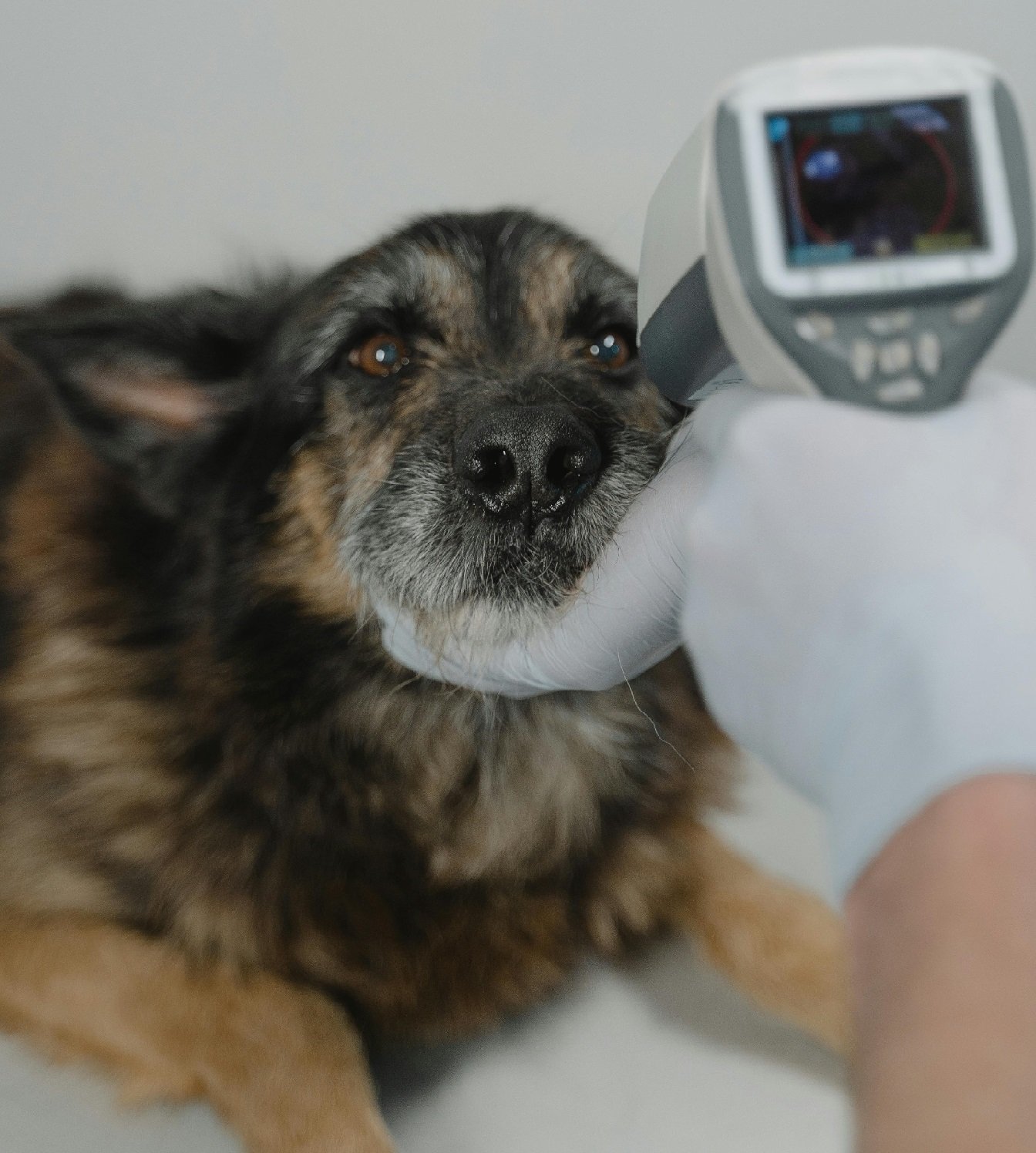
Introduction: Our pets are an integral part of our families, providing us with unconditional love, companionship, and joy. Unfortunately, just like humans, pets can also be affected by cancer. Cancer in pets, while devastating, is a reality that many pet owners face. However, with early detection and accurate diagnosis, it is possible to provide appropriate treatment and improve the chances of a positive outcome. In this blog post, we explore the importance of cancer diagnosis in pets and the steps pet owners can take to ensure early detection and effective treatment. Understanding Cancer in Pets: Cancer is a group of diseases characterized by the uncontrolled growth and spread of abnormal cells in the body. Similarly to humans, pets can be diagnosed with various types of cancer, including lymphoma, osteosarcoma, mammary cancer, and melanoma. Different species may have varying susceptibility to certain types of cancer. For instance, dogs are more prone to lymphoma, while cats are more susceptible to certain forms of cancer affecting their intestines. Early Detection: Key to Successful Treatment Early detection of cancer in pets is crucial for providing the best treatment options and improving the overall prognosis. Regular wellness exams allow veterinarians to carefully assess your pet's health and identify any warning signs or abnormalities. These routine check-ups may include physical examinations, blood tests, and imaging techniques such as X-rays, ultrasounds, or MRIs. Additionally, pet owners should be vigilant in monitoring their pets for any noticeable changes in behavior, appetite, weight, or the presence of lumps or tumors. If you notice anything suspicious, do not hesitate to contact your veterinarian for a thorough evaluation. Diagnostic Tools and Techniques: Diagnosing cancer in pets often requires a combination of tests and techniques. Some common methods used by veterinarians include: 1. Biopsy: A biopsy involves taking a small sample of tissue from the affected area, which is then sent to a laboratory for microscopic examination. This test helps determine the type of cancer and its severity. 2. Imaging: Techniques like X-rays, ultrasound, and CT scans can provide valuable information about the location, size, and spread of tumors. These imaging tools help guide treatment decisions and monitor the progress of the disease. 3. Blood Tests: Blood tests can help identify specific markers or substances in the blood that indicate the presence of cancer cells. These markers, known as tumor markers, can assist veterinarians in diagnosing and monitoring the progress of cancer. Treatment Options: Treatment options for cancer in pets vary depending on the type of cancer, its location, and the overall health of the animal. Just as in human medicine, the three primary treatment modalities are surgery, radiation therapy, and chemotherapy. Surgery aims to remove the cancerous cells or tumors and may be combined with other therapies as part of a comprehensive treatment plan. Radiation therapy uses targeted beams of high-energy radiation to destroy cancer cells. It is commonly used to treat localized tumors or to alleviate pain in advanced cases. Chemotherapy involves the use of drugs to kill or slow down the growth of cancer cells. These medications can be administered orally or intravenously and may be used to shrink tumors, prevent their spread, or provide palliative care. The Role of Palliative Care and Quality of Life: In some cases, a cure may not be possible, and pet owners may opt for palliative care to ensure their pets enjoy the best possible quality of life. Palliative care focuses on managing pain, providing comfort, and maintaining the overall well-being of pets battling cancer. This may involve pain medications, dietary changes, mobility aids, and regular veterinary check-ups. Conclusion: Cancer diagnosis in pets is a critical step in ensuring early intervention and effective treatment. By being proactive in monitoring our pets' health, scheduling regular veterinary check-ups, and promptly reporting any unusual signs or symptoms, we can improve the chances of detecting cancer in its early stages. With advancements in veterinary medicine and a comprehensive treatment approach, we can provide our beloved furry friends with the best possible care and maximize their quality of life. Check this out http://www.doctorregister.com For a broader perspective, don't miss http://www.tinyfed.com For the latest insights, read: http://www.natclar.com For a detailed analysis, explore: http://www.qqhbo.com


