Useful links
Home Preventive Care for Pets Pet Training Pet Bathing and Grooming Core Vaccines for Pets
Home Preventive Care for Pets Pet Training Pet Bathing and Grooming Core Vaccines for Pets
Category : petvetexpert | Sub Category : petvetexpert Posted on 2023-10-30 21:24:53
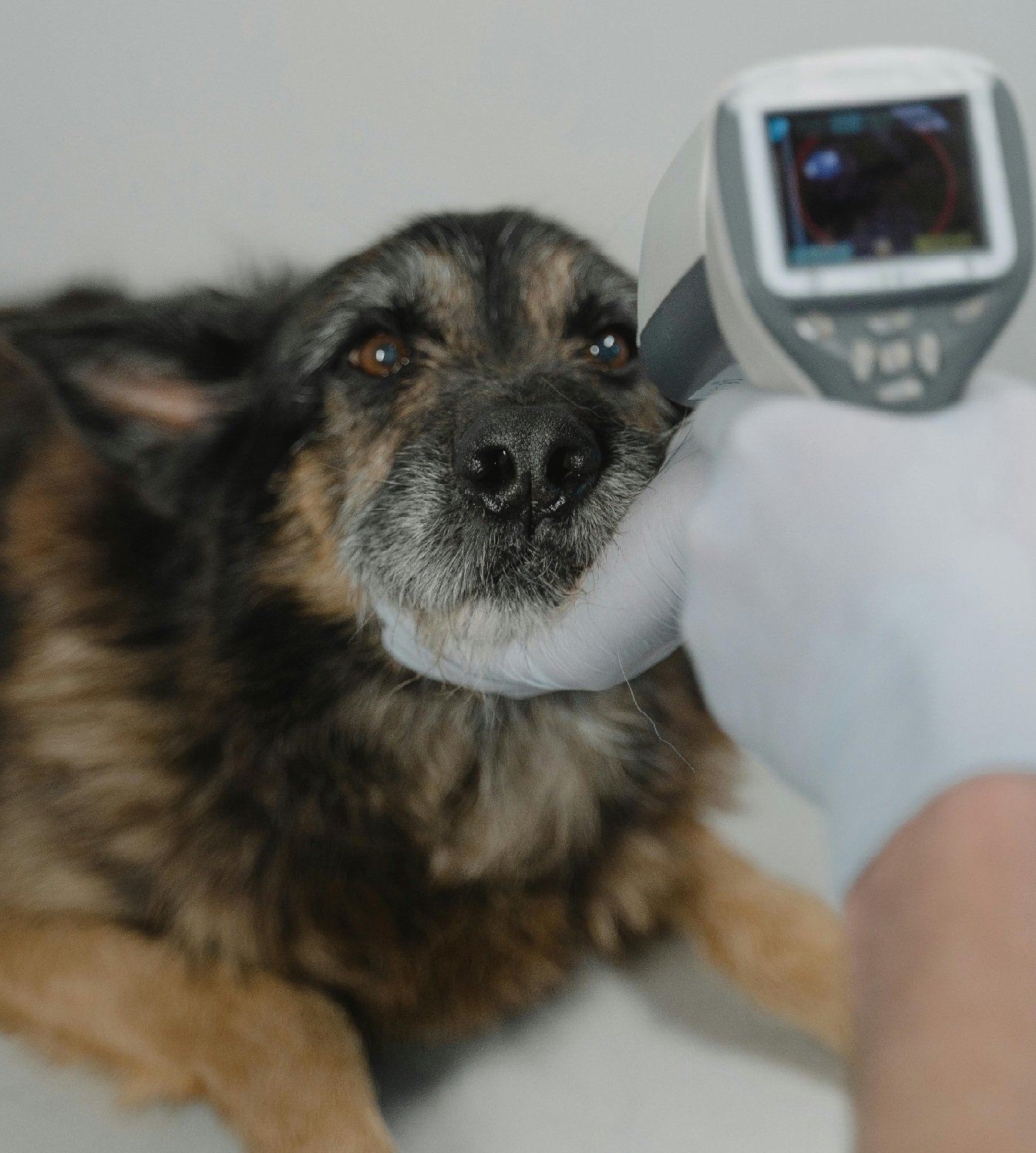
Introduction: As pet owners, we often go to great lengths to ensure our furry companions are happy and healthy. One aspect of their well-being that can sometimes be overlooked is their skin health. Just like humans, pets can experience a range of skin conditions that can cause discomfort and affect their overall quality of life. In this blog post, we will shed light on some common skin conditions in pets, their causes, symptoms, and treatment options. 1. Allergies: Allergies are one of the leading causes of skin conditions in pets, affecting both dogs and cats. Common allergens include food, environmental factors (such as pollen or dust mites), fleas, and certain grooming products. Symptoms of allergies can vary but often include itching, redness, skin rashes, hair loss, and ear infections. Identifying and eliminating the allergen is crucial to managing the condition. Consult your veterinarian for appropriate medication, dietary changes, and preventive measures to help alleviate your pet's discomfort. 2. Fleas and Parasites: Fleas and other parasites can wreak havoc on your pet's skin, causing intense itching, redness, and even skin infections. Regular grooming and preventive measures, such as flea treatments and parasite control, are essential to keep these pests at bay. If you suspect your pet has fleas, consult with your vet for specific treatment options. 3. Bacterial and Fungal Infections: Bacterial and fungal infections can occur in pets, especially when the skin's natural defense mechanisms are compromised. Warm and humid environments, poor hygiene, and pre-existing skin conditions can contribute to these infections. Symptoms may include redness, rash, sores, hair loss, and a foul odor. Treatment may involve topical or oral medications, antifungal shampoos, and improving hygiene practices. 4. Yeast Infections: Yeast infections commonly affect pets, particularly in their ears or in areas with skin folds. Excessive moisture, allergies, or hormonal imbalances can create an ideal environment for yeast overgrowth. Symptoms include redness, itching, discharge, and a distinct yeasty odor. Treating yeast infections typically involves topical antifungal medications, veterinary-prescribed ear cleaners, and dietary modifications to support a healthy balance of yeast in the body. 5. Autoimmune Diseases: Pets can also develop autoimmune diseases that affect their skin, such as pemphigus and lupus. These conditions occur when the immune system mistakenly attacks healthy cells, resulting in blistering, ulceration, lesions, and hair loss. Diagnosing and treating autoimmune diseases require a comprehensive examination by a veterinarian, who may prescribe immune-suppressing medications and recommend specialized care. Conclusion: Maintaining optimal skin health in our pets is crucial for their overall well-being. If you notice any signs of skin conditions or unusual changes in your pet's behavior, it is essential to seek professional advice promptly. Remember, each pet's situation may be unique, and treatment options may vary. Always consult with your veterinarian for an accurate diagnosis and a tailored approach to ensure your beloved companion receives the best possible care for their skin condition. also for more http://www.lumenwork.com To gain a holistic understanding, refer to http://www.alliancespot.com For an in-depth examination, refer to http://www.qqhbo.com


