Useful links
Home Preventive Care for Pets Pet Training Pet Bathing and Grooming Core Vaccines for Pets
Home Preventive Care for Pets Pet Training Pet Bathing and Grooming Core Vaccines for Pets
Category : petvetexpert | Sub Category : petvetexpert Posted on 2023-10-30 21:24:53
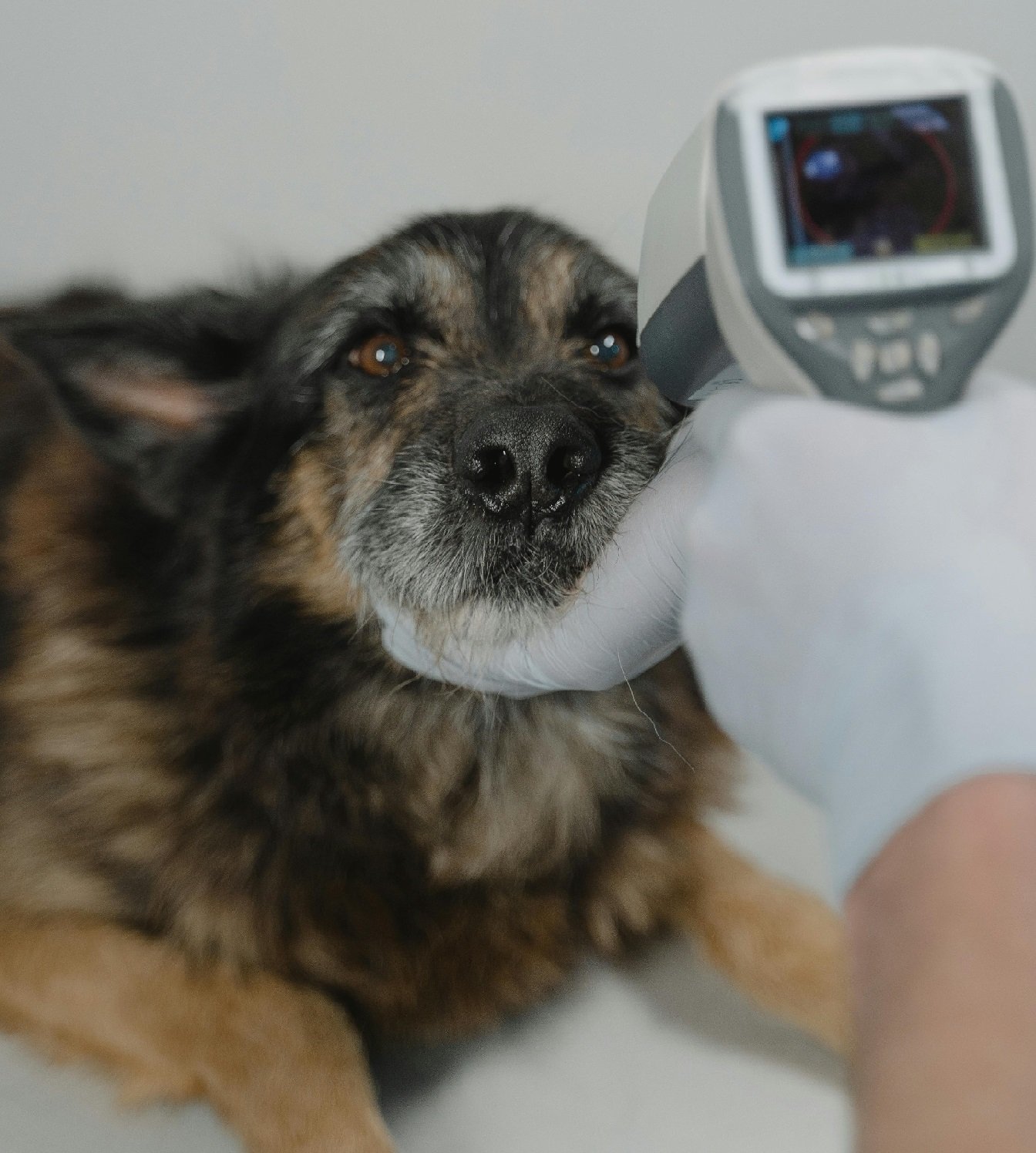
Introduction: Pets are not just animals; they are an integral part of our families. We strive to provide them with the best possible care to ensure they lead a healthy and happy life. One important aspect of their well-being, often overlooked, is their cardiovascular health. Just like humans, pets can suffer from heart-related conditions, and investing in their heart health can lead to a longer, more fulfilling life for them. In this blog post, we will discuss why investing in your pet's heart health is a wise choice, both emotionally and economically. 1. The Significance of Heart Health in Pets: Heart disease is common in both dogs and cats. Some common heart conditions in pets include congestive heart failure, heart murmurs, and dilated cardiomyopathy. These conditions can not only reduce their quality of life but can also lead to expensive medical treatments and restricted activities. Investing in their heart health from an early age could prevent such conditions or detect them early, allowing for more effective management. 2. Regular Veterinary Check-ups and Diagnostic Tests: Routine veterinary check-ups are essential to monitor your pet's overall health, including their heart. Regular check-ups can help identify any early signs of heart disease, allowing for timely intervention. Your veterinarian may recommend specific diagnostic tests such as an electrocardiogram, chest x-rays, or an echocardiogram to evaluate your pet's heart health. While these tests may incur some costs upfront, they can help catch any potential issues before they become severe, saving you money in the long run. 3. Heart-Healthy Diet and Exercise: Just like humans, a well-balanced diet and regular exercise play a crucial role in maintaining a healthy heart for our pets. Investing in high-quality pet food that is specially formulated to support cardiovascular health can have long-term benefits. Additionally, regular exercise, based on your pet's age, breed, and overall health, can help keep their heart strong and prevent obesity, a significant risk factor for heart disease. 4. Medications and Treatment Plans: In some cases, pets may require prescribed medications or treatment plans to manage heart conditions. While these may lead to ongoing costs, they are necessary for maintaining your pet's heart health and preventing further complications. Working closely with your veterinarian to understand the medications, their benefits, and potential side effects can help you make informed decisions and ensure the best care for your beloved companion. 5. Pet Health Insurance: Investing in pet health insurance can alleviate financial burdens associated with unexpected veterinary bills, including those related to heart health. Many insurers offer comprehensive coverage that includes heart conditions and related treatments. By opting for pet health insurance, you can provide your furry friend with the best care while protecting your wallet from potential financial stress. Conclusion: Investing in your pet's heart health is a decision that benefits both your furry friend and your wallet in the long run. By prioritizing regular veterinary check-ups, diagnostic tests, a heart-healthy diet, exercise, and necessary medications, you can help ensure your pet lives a longer, healthier life. Moreover, considering pet health insurance as a part of your investment strategy offers peace of mind, knowing that you have financial protection in case of unexpected medical expenses. So, let's give our pets the love and care they deserve by investing in their heart health! For more information: http://www.doctorregister.com Seeking answers? You might find them in http://www.tinyfed.com this link is for more information http://www.natclar.com For a fresh perspective, give the following a read http://www.upital.com


