Useful links
Home Preventive Care for Pets Pet Training Pet Bathing and Grooming Core Vaccines for Pets
Home Preventive Care for Pets Pet Training Pet Bathing and Grooming Core Vaccines for Pets
Category : petvetexpert | Sub Category : petvetexpert Posted on 2023-10-30 21:24:53
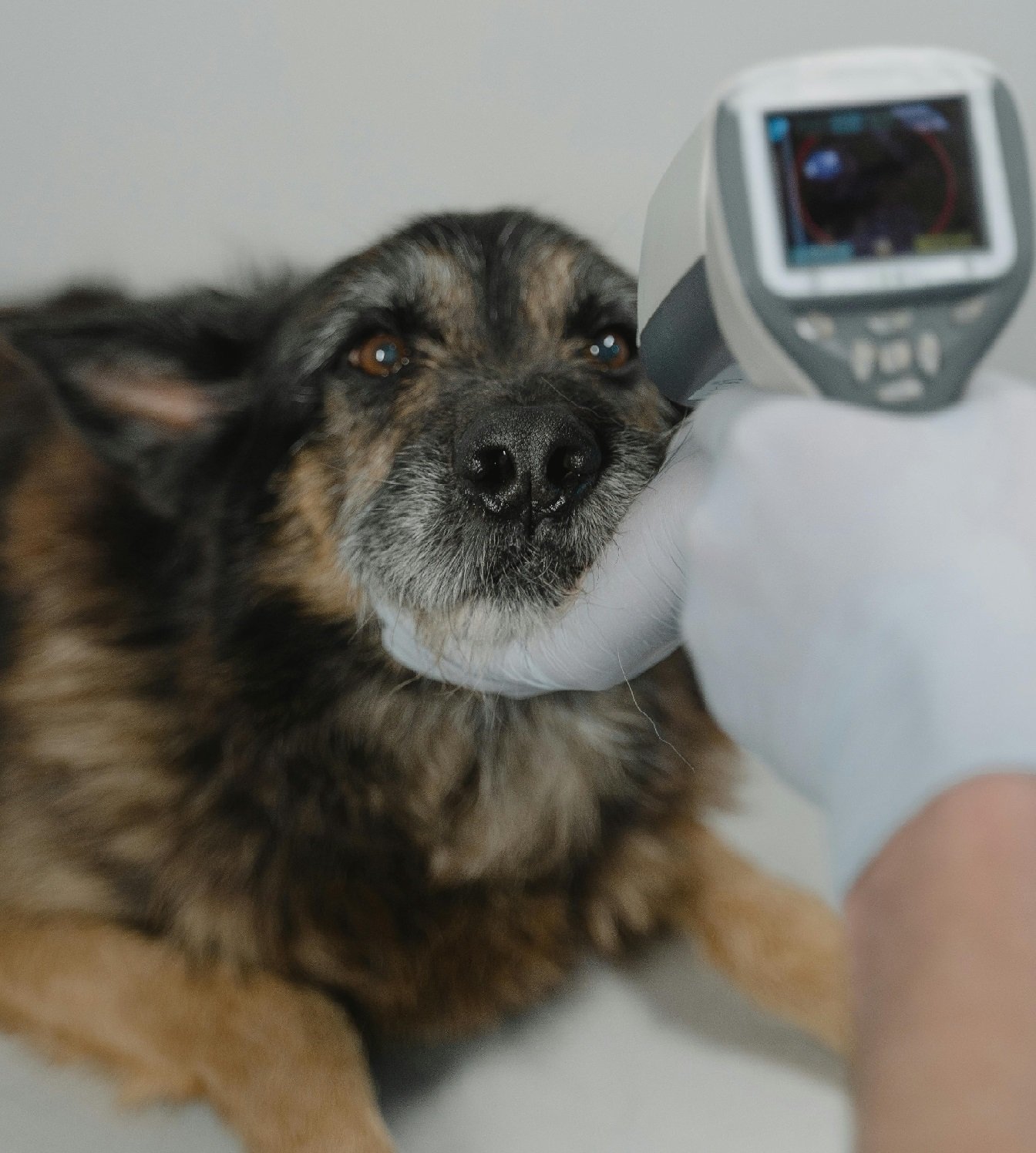
Introduction: As responsible pet owners, we always strive to provide the best care for our four-legged companions. One crucial aspect of ensuring their well-being is regular veterinary check-ups, which often include routine blood tests. While these tests are essential for diagnosing and monitoring various health conditions, they can potentially incur significant expenses. In this blog post, we will explore the importance of pet blood tests and how insurance coverage can help alleviate the financial burden. Why are Pet Blood Tests Important? Blood tests play a vital role in detecting and preventing health issues in our pets. These tests help screens for various conditions, including organ function, blood disorders, infectious diseases, and even certain cancers. By analyzing a comprehensive panel of blood markers, veterinarians can identify potential health problems early on and develop suitable treatment plans. Early Detection and Prevention: Given that pets cannot verbally communicate their symptoms, blood tests are particularly crucial in identifying underlying health issues. Detecting conditions such as diabetes, liver or kidney disease, and hormonal imbalances early allows for timely intervention and can prevent the progression of these conditions, ultimately leading to a better prognosis for our furry friends. Monitoring Chronic Illnesses: Pets with chronic diseases, such as diabetes or thyroid disorders, require regular blood tests to monitor their condition and adjust their medications accordingly. Monitoring their blood glucose levels or thyroid hormone levels enables veterinarians to ensure that the prescribed treatment remains effective and helps prevent any adverse effects. Pre-Anesthetic Screening: Before undergoing any surgical procedure or anesthesia, blood tests are typically conducted to evaluate the overall health of the pet. These tests assess the organ function, clotting ability, and red and white blood cell counts, allowing veterinarians to make informed decisions regarding anesthesia protocols and minimize potential risks during the procedure. The Importance of Insurance Coverage: Given the critical role that blood tests play in our pet's healthcare, it is crucial to address the potential financial burden associated with these tests. Veterinary care costs, including blood tests, can quickly add up, especially when considering multiple tests or ongoing monitoring for chronic conditions. This is where pet insurance coverage can provide valuable support. Benefits of Pet Insurance: Pet insurance policies often cover blood tests as part of their overall coverage. Depending on the policy, insurance can help offset the expenses related to routine blood tests, emergency blood work, or ongoing monitoring for chronic conditions. By having suitable insurance coverage, pet owners can provide their pets with the necessary care without worrying about the immediate financial implications. Choosing the Right Pet Insurance: When considering pet insurance, it is essential to review the coverage details and make sure blood tests are explicitly included in the policy. Additionally, factors such as deductible amounts, annual coverage limits, waiting periods, and exclusions should be carefully examined to ensure the policy aligns with your pet's needs and potential healthcare requirements. Conclusion: Regular blood tests are an integral part of our pets' healthcare, helping detect diseases early, monitor chronic conditions, and ensure their well-being. Understanding the importance of these tests and having appropriate insurance coverage in place can provide peace of mind, knowing that our furry friends are receiving the necessary care without the added financial stress. By investing in pet insurance that covers blood tests, we can prioritize our pets' health and provide them with the best quality of life possible.


