Useful links
Home Preventive Care for Pets Pet Training Pet Bathing and Grooming Core Vaccines for Pets
Home Preventive Care for Pets Pet Training Pet Bathing and Grooming Core Vaccines for Pets
Category : petvetexpert | Sub Category : petvetexpert Posted on 2023-10-30 21:24:53
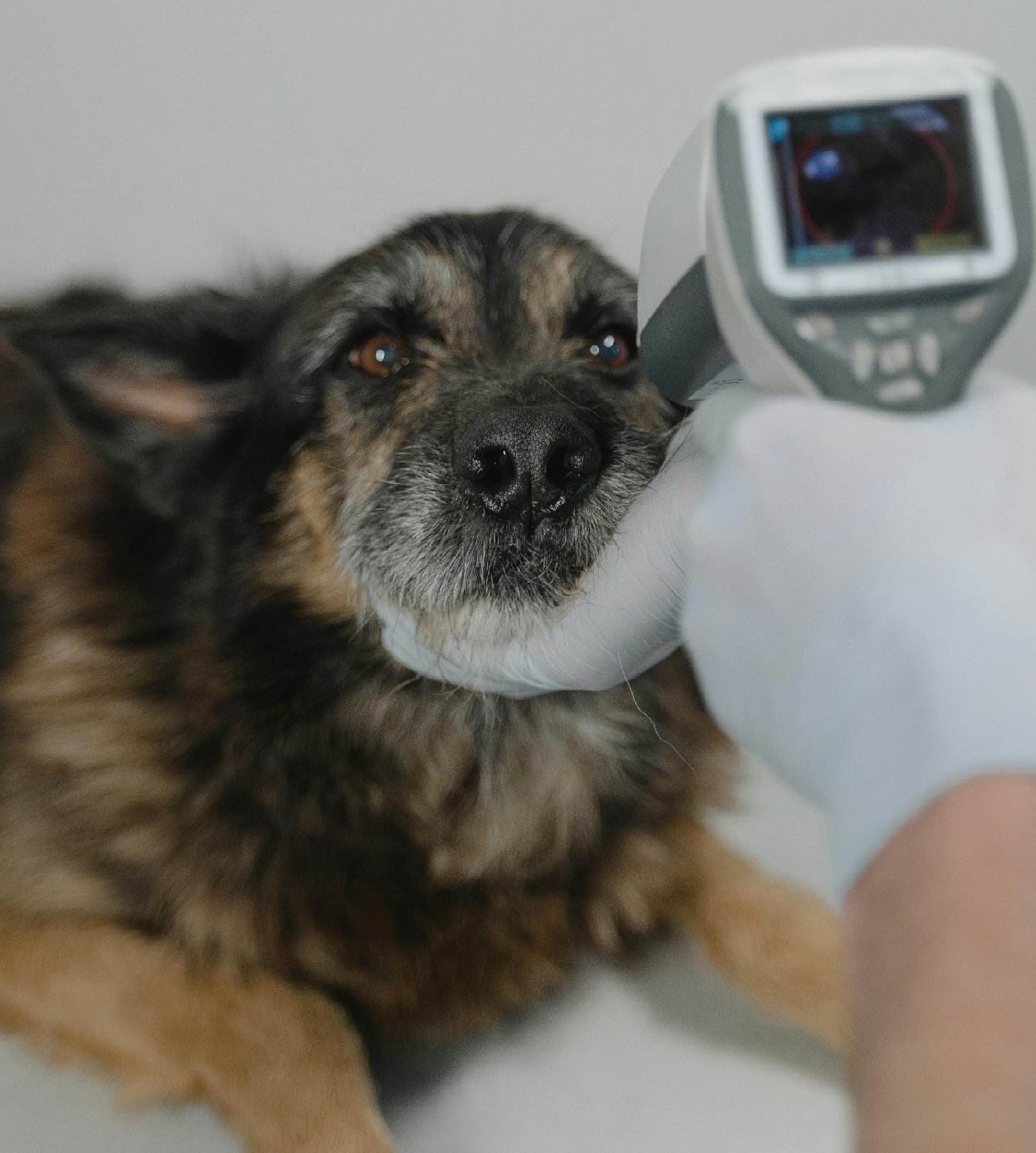
Introduction: Our pets are more than just companions; they are beloved members of our families. Just like humans, they can experience various health issues, including skin conditions. As responsible pet owners, it's essential to be aware of common skin conditions our furry friends may face and the steps we can take to keep their skin healthy and itch-free. In this article, we will explore some common skin conditions in pets and provide tips for maintaining their skin health. 1. Allergies and Atopy: Similar to humans, pets can suffer from allergies, which often manifest as itchy skin. Environmental allergens such as pollen, dust mites, and certain foods can trigger allergic reactions. Atopy, a genetic predisposition to allergies, is common in some dog breeds. To manage allergies, it's crucial to work closely with a veterinarian to identify the allergens and develop an appropriate treatment plan. This may include dietary changes, allergy testing, and the use of medications like antihistamines or immunotherapy. 2. Flea Allergy Dermatitis: Fleas are not only annoying but can also cause severe skin reactions in pets. Some animals are highly sensitive to flea saliva, triggering an allergic reaction known as flea allergy dermatitis (FAD). Prevention is key to combating FAD; regular flea control treatments and maintaining a clean living environment are essential. If your pet develops FAD, it's important to consult a veterinarian for appropriate flea control measures and relief for irritated skin. 3. Hot Spots: Hot spots, also known as acute moist dermatitis, are localized areas of inflamed, irritated, and infected skin. They are often caused by licking, scratching, or biting due to allergies, fleas, or other underlying skin problems. Prompt attention is crucial for hot spots to prevent them from worsening. Treatment may include cleaning the affected area, applying topical treatments, and addressing the underlying cause. In some cases, an Elizabethan collar may be necessary to prevent further self-trauma. 4. Skin Infections: Bacterial or fungal infections can affect pets' skin, causing redness, itching, hair loss, and an unpleasant odor. These infections can occur when the skin's natural defenses are compromised due to allergies, parasites, or underlying health issues. If you notice any signs of a skin infection, seek veterinary care promptly. Treatment may involve antibiotics, antifungal medications, medicated shampoos, and addressing the root cause to prevent recurrence. 5. Dry Skin: Dry skin can be a result of various factors, including nutritional deficiencies, environmental factors, or underlying health conditions. Regular grooming and proper nutrition play a crucial role in maintaining healthy skin and preventing dryness. Providing a balanced diet, supplementing with fatty acids, and using moisturizing shampoos or conditioners designed for pets can help prevent dry skin. Conclusion: Our pets deserve to live a comfortable and itch-free life, so it's important to be vigilant about their skin health. Understanding common skin conditions in pets and taking preventative measures is key to ensuring their overall well-being. If you suspect your furry friend is suffering from a skin condition, consulting a veterinarian is always the best course of action. By working together, we can keep our pets' skin healthy, allowing them to enjoy a happy and active life. For an in-depth examination, refer to http://www.doctorregister.com To get more information check: http://www.tinyfed.com Also Check the following website http://www.natclar.com For an in-depth examination, refer to http://www.qqhbo.com


